
High-Protein Low-Carb Meal Prep Recipes for Weight Loss
Use this practical high-protein, low-carb meal prep framework to build filling breakfasts, lunches, dinners, and snacks for a busy week.
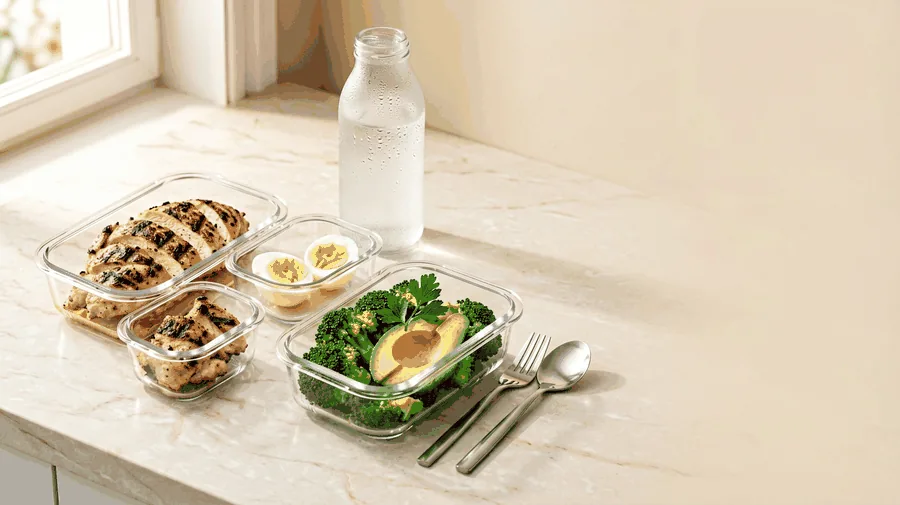
High-protein, low-carb meal prep can make a weight-management routine easier because the next meal is decided before hunger and a busy schedule take over. The goal is not to prepare identical containers every Sunday. It is to create a small mix of proteins, vegetables, sauces, and snacks that can be combined in several ways.
Important: Protein targets and calorie needs are individual. If you have kidney disease, are pregnant, take medication, or have another medical condition, get personalized advice from a qualified professional before changing your protein or carbohydrate intake.
The Meal-Prep Formula
A simple formula is one reliable protein, two vegetables, one flavor profile, and a portion of a satisfying fat source. Preparing components separately gives you more flexibility than making five identical meals.
- Proteins: chicken breast or thighs, lean ground beef, salmon, tuna, eggs, cottage cheese, Greek yogurt, or tofu.
- Vegetables: broccoli, cauliflower, zucchini, cabbage, cucumber, leafy greens, mushrooms, and green beans.
- Flavor systems: lemon-herb, garlic-parmesan, taco, curry, sesame-ginger, or ranch-style seasoning.
- Finishing ingredients: avocado, olives, cheese, nuts, seeds, or a measured dressing.
Five High-Protein Low-Carb Meal-Prep Combinations
1. Lemon Chicken and Roasted Vegetables
Roast seasoned chicken with broccoli and zucchini. Add lemon juice after reheating and pack the dressing separately so the vegetables stay firm.
2. Taco Beef Bowls
Cook lean ground beef with taco seasoning, then layer it with cauliflower rice, shredded lettuce, salsa, and a small serving of avocado. Keep crunchy toppings separate.
3. Salmon Salad Boxes
Pair cooked salmon or canned salmon with cucumber, greens, boiled eggs, and a mustard-based dressing. This option works well cold and requires little reheating.
4. Cottage Cheese Breakfast Cups
Combine cottage cheese with berries, chia seeds, or cinnamon. For a savory version, add cucumber, herbs, and a boiled egg. Check labels if you are tracking total carbohydrates.
5. Egg and Vegetable Muffins
Whisk eggs with spinach, mushrooms, and cheese, then bake in a muffin pan. Store in portions for a quick breakfast or afternoon snack.
How Much Protein Should a Meal Have?
There is no single number that works for everyone. A useful starting point is to include a meaningful protein source at each meal and then adjust portions based on your appetite, body size, activity, and advice from a qualified professional. The nutrition panel on each recipe should show protein per serving so you can build a complete day without guessing.
Meal-Prep Safety and Storage
- Cool cooked food promptly and store it in shallow, sealed containers.
- Keep sauces, avocado, and crunchy vegetables separate when possible.
- Label containers with the preparation date.
- Use refrigerated foods within the timeframe recommended by your local food-safety guidance.
- Reheat leftovers until they are hot throughout, and discard food that has been stored unsafely.
Make the Plan Flexible
Prepare enough components for several meals, not a rigid menu. Chicken can become a salad, lettuce wrap, or soup. Ground beef can become a bowl, stuffed pepper filling, or taco soup. This approach reduces food waste and makes it easier to stay consistent when plans change.
For complete weekly menus, visit Keto Meal Plans. For recipe variations, browse Keto Recipes, and review our Keto Weight Loss Guides before setting personal targets.
FAQ
Can meal prep be low-carb without being repetitive?
Yes. Keep the core ingredients simple, then rotate seasonings, sauces, cooking methods, and vegetables. One prepared protein can support several distinct meals.
Are high-protein snacks necessary?
No. Snacks are optional. They can be useful when they help you manage hunger between meals, but they should fit your overall energy and nutrition needs.
Why High-Protein Meal Prep Helps With Consistency
Meal prep is not a requirement for weight management, but it can reduce the number of food decisions you have to make during a busy week. Protein-rich meals are often satisfying, and pairing them with vegetables and a flavorful dressing can create a meal that feels complete without relying on a large portion of starch. The most effective routine is one that you can repeat without spending an entire day in the kitchen.
Think of meal prep as preparation of components rather than preparation of perfect boxes. Cook two proteins, roast one large tray of vegetables, wash salad greens, and prepare one sauce. During the week, combine these components in different ways. This gives you the convenience of meal prep without the monotony.
Distribute Protein Across the Day
Many people eat very little protein at breakfast and then try to compensate at dinner. A more practical approach is to include a visible protein source in each main meal. Eggs, cottage cheese, Greek yogurt, chicken, fish, lean beef, tofu, and canned seafood can all fit different food preferences. The correct total amount depends on the individual, so use recipe nutrition panels as information rather than a prescription.
A protein-focused breakfast might be egg muffins with spinach, Greek yogurt with chia seeds, or cottage cheese with cucumber and herbs. Lunch can be a chicken salad, tuna bowl, or ground-beef lettuce wrap. Dinner can use salmon, chicken, beef, shrimp, or tofu with two vegetables. Snacks are optional and should support hunger management rather than become automatic eating.
Include fiber-rich vegetables and enough fluid. A high-protein plan that is low in vegetables, variety, or hydration may be difficult to maintain. If digestive changes occur after a dietary shift, slow down, review the ingredient list, and ask a qualified professional for individualized advice when needed.
Build a Two-Hour Weekly Prep System
Start by choosing meals that share ingredients. For example, chicken can be used in a salad, a soup, and a lettuce wrap. Ground beef can become a taco bowl, stuffed pepper filling, or a quick skillet. This lowers cost and reduces the chance that unused ingredients will sit in the refrigerator.
- Plan: Choose two breakfasts, two lunches, two dinners, and two optional snacks.
- Shop: Buy the proteins first, then select vegetables and flavors that work together.
- Cook proteins: Bake chicken and salmon, brown ground beef, or boil eggs while the oven is working.
- Prepare vegetables: Roast broccoli and cauliflower, wash greens, and slice cucumbers.
- Make one sauce: Try lemon-herb yogurt sauce, mustard vinaigrette, taco salsa, or garlic dressing.
- Portion: Store two or three ready meals and keep remaining components separate.
- Review: On the third day, use leftovers before preparing more food.
Meal-Prep Recipes That Reheat Well
Chicken and Vegetable Bowls
Season chicken with paprika, garlic, salt, pepper, and lemon. Roast it with broccoli and zucchini, then portion it with cauliflower rice or greens. Keep a yogurt-based sauce separate. The same chicken can be used cold in a salad the next day.
Ground Beef Taco Bowls
Cook lean ground beef with cumin, paprika, chili powder, garlic, and a little tomato. Serve with cauliflower rice, lettuce, cucumber, salsa, and avocado added just before eating. If you want more texture, use shredded cabbage or toasted pumpkin seeds.
Salmon Salad Boxes
Use baked salmon or canned salmon with cucumber, greens, boiled egg, and a mustard dressing. This is a good cold lunch for people who do not have access to a microwave. Keep the dressing in a separate container and add it at mealtime.
Egg and Vegetable Muffins
Whisk eggs with spinach, mushrooms, scallions, and cheese. Bake until set, then cool before storing. Serve with cucumber, avocado, or a small side of Greek yogurt. Change the vegetables each week to keep the format interesting.
High-Protein Low-Carb Soup
Start with broth, chicken or ground beef, cabbage, zucchini, mushrooms, and herbs. Soup is useful for batch cooking because it can be portioned and frozen. Add delicate greens near the end so they retain color and texture.
High-Protein Snacks: When and How to Use Them
A snack can be useful when there is a long gap between meals, when you are traveling, or when a planned dinner is delayed. It is not mandatory. Useful options include a boiled egg, Greek yogurt, cottage cheese, tuna with cucumber, cheese with vegetables, or a homemade protein bite made with ingredients you can measure.
Be careful with snack bars and packaged “keto” treats. Some contain a large amount of fat or sugar alcohols and may not be satisfying. Read the nutrition panel and consider whether the snack solves a real problem. If you are hungry because lunch was too small, increasing the meal may be more effective than adding several snacks.
Budget-Friendly Protein Choices
High-protein eating does not require expensive cuts of meat. Eggs, canned tuna, canned salmon, chicken thighs, frozen fish, lean ground meat, cottage cheese, plain Greek yogurt, and tofu can all be useful. Buy larger packages when practical, freeze portions, and use leftovers in soups or salads.
Choose vegetables based on season and storage life. Cabbage, frozen broccoli, frozen spinach, carrots in measured amounts, cucumbers, zucchini, and mushrooms can usually be combined with several proteins. A flexible sauce is more economical than buying a different specialty product for every recipe.
Vegetarian and Pescatarian Adaptations
A high-protein low-carb plan can be adapted, but the substitutions should be intentional. Eggs, cottage cheese, Greek yogurt, tofu, tempeh, edamame in an appropriate portion, seafood, and plant-based protein products can provide variety. Check the carbohydrate and protein values of meat substitutes because products differ considerably.
Use herbs, roasted vegetables, sauces, and texture to prevent meals from feeling incomplete. A bowl with eggs, avocado, mushrooms, and greens can be satisfying without meat. A salmon salad or shrimp skillet can provide a different flavor profile for pescatarians.
Storage, Reheating, and Food Safety
Cool cooked foods promptly, store them in shallow containers, and keep refrigerator temperature within local food-safety recommendations. Date your containers and use the most perishable food first. Separate raw and cooked foods, wash produce, and clean cutting boards after handling raw meat.
Some foods reheat better than others. Chicken, beef, soups, casseroles, and roasted vegetables are usually practical. Avocado, cucumber, salad greens, and sauces are best added after reheating. If a meal becomes dry, add broth, salsa, yogurt sauce, or a squeeze of lemon rather than reheating it repeatedly.
How to Prevent Meal-Prep Burnout
Do not prepare seven identical meals unless you genuinely enjoy them. Prepare three ready meals, several components, and one emergency option. An emergency meal could be canned tuna with salad, eggs with frozen vegetables, or rotisserie chicken with a bagged salad. The purpose is to create a safety net, not another obligation.
Use a short feedback loop. At the end of the week, rate each recipe for taste, cost, preparation time, portability, and fullness. Keep the top two and replace the bottom one. This small review gradually builds a personal library of high-protein meals that you actually want to eat.
FAQ About High-Protein Low-Carb Meal Prep
Can I meal prep without counting macros?
Yes. You can use the plate structure, choose a consistent protein portion, include vegetables, and review labels occasionally. Tracking can be a learning tool, but it is not the only way to build a balanced routine.
Is meal prep safe for five days?
Storage time depends on the food, temperature, preparation, and local food-safety guidance. When in doubt, freeze portions or prepare smaller batches. Do not eat food that has been left at unsafe temperatures.
What if I am hungry after a high-protein meal?
Review the portion, vegetable volume, hydration, eating speed, sleep, and the total pattern of the day. Persistent or unusual hunger may require individualized advice rather than simply adding more protein.
Can I use protein powder?
Protein powder is optional. If you use it, read the ingredient and nutrition labels, check for added sugar, and choose a product that fits your dietary needs. Whole-food protein sources can often provide more texture and satisfaction.
Protein Portions by Meal Format
Different meal formats make different protein portions feel satisfying. In a bowl, protein can be mixed with cauliflower rice, greens, or roasted vegetables. In a salad, protein needs enough flavor and texture to remain interesting after the dressing is added. In soup, the broth and vegetables add volume, but the recipe should still provide a visible protein component. In a snack, a small serving may be enough when it bridges two meals rather than replacing one.
Use the recipe nutrition panel to compare options, but remember that protein grams are only one part of a meal. Fiber, vegetables, hydration, flavor, and eating speed also influence satisfaction. A very high-protein meal that is dry or repetitive may be less useful than a moderate-protein meal that you can enjoy consistently.
A Three-Day Meal-Prep Example
Preparation Day
Cook a tray of lemon-garlic chicken, brown a pan of taco-seasoned beef, and boil six eggs. Roast broccoli, cauliflower, and zucchini with separate seasoning blends. Wash greens, slice cucumbers, and prepare a mustard-yogurt dressing. Store each component separately so the same food can be used in different meals.
Day One
Eat egg muffins or boiled eggs with vegetables for breakfast. Use chicken, greens, cucumber, and dressing for lunch. Serve taco beef with cauliflower rice and salsa for dinner. If needed, choose Greek yogurt or cottage cheese as a snack.
Day Two
Turn leftover chicken into a warm skillet with mushrooms. Use taco beef in a lettuce bowl at lunch and add avocado close to mealtime. For dinner, make a quick soup with broth, chicken, cabbage, and zucchini. This day uses the same ingredients but changes temperature, texture, and seasoning.
Day Three
Make a breakfast bowl with eggs and roasted vegetables. Pack a cold chicken salad with mustard dressing. Finish the beef with sautéed cabbage or stuffed peppers. Freeze any cooked food that will not be used safely, and make notes about which combinations you would repeat.
Choose the Right Container
Use leak-resistant containers for sauces and soups. Wide, shallow containers cool food faster than deep containers. Glass is convenient for reheating, while lightweight plastic may be easier for work or travel when it is designed for food storage. Do not place a sealed container of hot food directly into a crowded refrigerator; allow it to cool according to safe food-handling practice.
Pack components in the order you will eat them. Put greens at the bottom only when the dressing is separate. Place crunchy toppings in a small compartment. Keep avocado, herbs, and fresh lemon for the final moment. These details preserve texture and make a prepared meal feel freshly assembled.
When Meal Prep Goes Wrong
If chicken is dry, slice it and add broth, salsa, or yogurt sauce. If vegetables are soft, use them in soup, an omelet, or a blended sauce rather than discarding them. If the same flavor becomes boring, change the finishing ingredient: lemon, vinegar, herbs, curry, taco seasoning, or sesame can create a different meal from the same base.
If you prepared too much food, freeze appropriate portions early rather than waiting until they are no longer appealing. If you prepared too little, keep an emergency shelf with canned fish, eggs, broth, frozen vegetables, and a simple sauce. The emergency plan is part of meal prep, not a failure of planning.
High-Protein Meal Prep for Work
Work lunches need to be portable, easy to clean up, and acceptable when eaten cold or reheated. Salad jars can work when dressing is placed at the bottom and greens are kept above wet ingredients. Chicken bowls can be reheated without avocado or cucumber. Egg muffins can be eaten cold with a side salad. Tuna, salmon, and Greek yogurt are useful for offices where cooking time is limited.
Think about smell and shared spaces as well as nutrition. A flavorful meal that is unpleasant to reheat in a small office may not be practical. Cold meals, sealed containers, and simple seasonings can help you follow the plan respectfully.
Meal Prep for One Person
People cooking for one often waste food because recipes produce too many portions. Choose recipes that share ingredients, freeze half of a cooked protein, and buy vegetables in a mix of fresh and frozen formats. A whole chicken can become dinner, salad, and soup, while a package of ground beef can be divided and frozen before cooking.
For one person, three prepared meals may be enough. Leave the remaining week flexible for leftovers, restaurant meals, or a simple plate. A smaller preparation session every three days can be more realistic than a large weekly session.
Meal Prep for a Family
Prepare a central protein and vegetable dish, then add optional sides for different preferences. A taco beef filling can be served with cauliflower rice, lettuce, beans, or tortillas depending on the person. Chicken can be paired with salad, roasted vegetables, rice, or potatoes. This reduces the need to cook separate meals while respecting different nutrition goals.
Keep portions age-appropriate and avoid turning a family meal into a discussion about body size or moral value. Food is also culture, connection, and enjoyment. A flexible low-carb dinner can coexist with other foods in the household.
How to Evaluate a Meal-Prep Recipe
Score each recipe from one to five for preparation time, cost, taste, protein, portability, reheating, and fullness. A recipe with a perfect nutrition profile but a one out of five for taste will not become a reliable staple. Keep recipes that score well overall and revise the weakest element in the next batch.
Record brand changes and ingredient substitutions. Cottage cheese, yogurt, broth, protein bars, and sauces can vary in sodium, carbohydrates, and protein. Notes help you repeat the result and keep nutrition information more accurate.
High-Protein Without Overcomplication
A high-protein routine can be built from ordinary foods. It does not require every meal to be a recipe with a long ingredient list. Eggs with vegetables, leftover chicken with salad, canned tuna with cucumber, Greek yogurt with seeds, and salmon with broccoli can all be useful. The advantage comes from consistency and availability rather than novelty.
Additional FAQ
Should I prepare snacks in advance?
Prepare snacks only if they solve a real problem. Portioning yogurt, eggs, cheese, or nuts can help with convenience and prevent unplanned eating. If snacks are not needed, do not add them simply because they appear in a meal-prep plan.
Can meal prep support muscle maintenance?
Adequate protein can support many nutrition goals, but muscle outcomes also depend on resistance training, total energy intake, sleep, age, and health. Meal prep is a tool for consistency, not a guarantee of a particular body-composition result.
What is the easiest first meal to prep?
Boiled eggs with washed vegetables, Greek yogurt with measured toppings, or chicken salad are simple starting points. Choose the option that matches your schedule and equipment.
This article is for general education and is not medical advice.
Save the ideas that fit your routine and adapt the rest. Consistency is built through repeatable choices, not perfect days.