
Editorial note: This article is general nutrition education, not a prescription or individualized weight-loss plan. Protein and calorie needs vary by age, body size, activity, medical history, and medication. If you have kidney disease, are pregnant, have a history of an eating disorder, or have another condition that affects nutrition, speak with a qualified healthcare professional.
High Protein Low Calorie Recipes for Weight Loss: 12 Filling Ideas
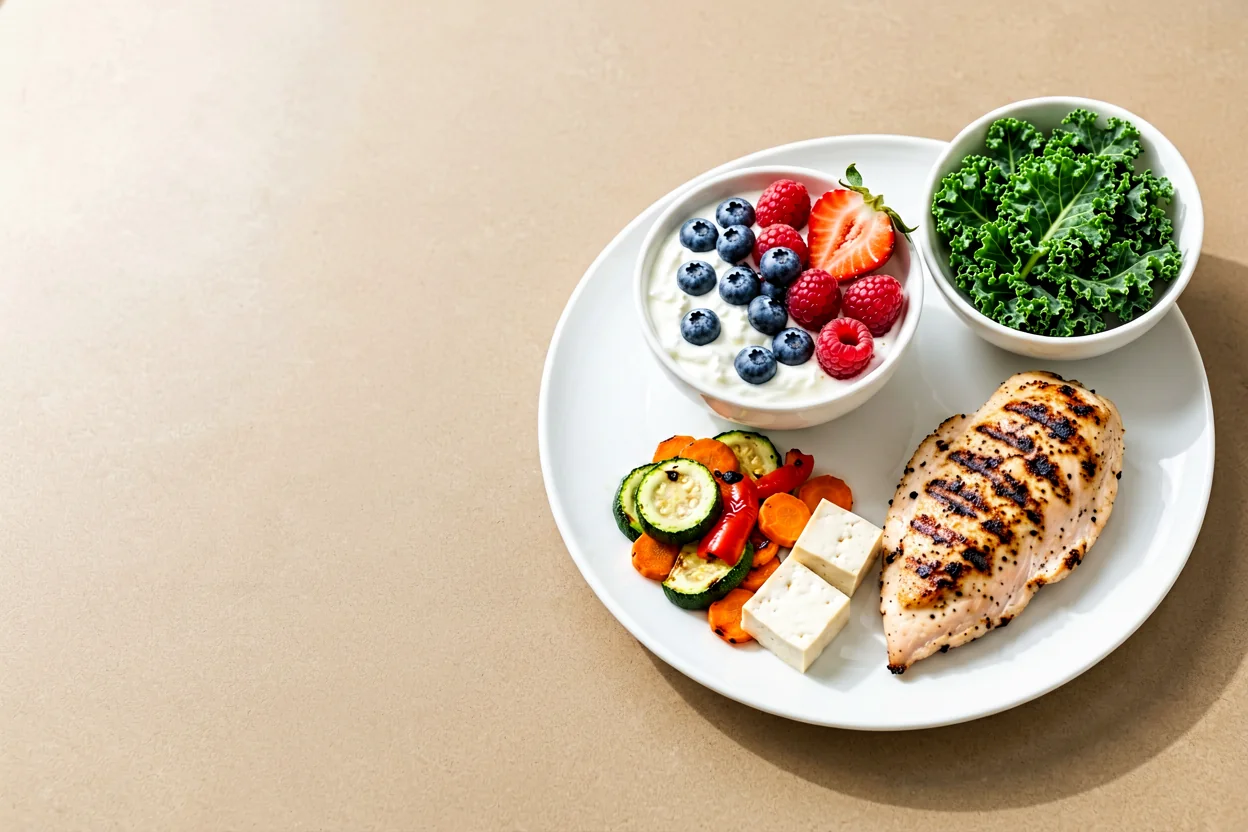
High protein low calorie recipes for weight loss can make everyday eating more satisfying, but the goal is not to make every meal as small as possible. A useful meal should give you a clear protein source, plenty of volume from vegetables or fruit, enough flavor to feel enjoyable, and a portion that fits your overall day. When a meal is too restrictive, hunger and food fatigue can make the plan difficult to repeat.
This guide shares twelve practical ideas for breakfast, lunch, dinner, and snacks. The recipes are flexible rather than prescriptive. You can adjust portions, choose different vegetables, and add a carbohydrate or healthy fat when it helps your energy, training, or personal preferences. Use the ideas as building blocks for a sustainable routine.
What makes a high protein low calorie meal satisfying?
A balanced meal usually starts with a protein anchor. Examples include chicken, fish, eggs, Greek yogurt, cottage cheese, tofu, tempeh, edamame, beans, lentils, or lean turkey. Vegetables and fruit add water, fiber, color, and texture. A measured amount of olive oil, avocado, nuts, seeds, or a yogurt-based sauce can improve flavor and satisfaction without turning the meal into an unplanned calorie surplus.
There is no universal number of grams that every person must eat at one meal. Some people use a range of about 25 to 35 grams as a planning reference, while others need more or less. Treat that range as a recipe-development guide, not a medical rule. The most useful question is whether your meals contain a meaningful protein source consistently across the day.
12 high protein low calorie recipes for weight loss
1. Greek yogurt berry bowl
Combine plain Greek yogurt with berries, cinnamon, and a small spoonful of chia or ground flax. Add a few chopped walnuts if you want more texture. To keep the bowl lighter, increase the berries and keep the nuts measured. Lemon zest, cocoa powder, or vanilla can provide variety without requiring much added sugar.
2. Cottage cheese cucumber toast
Spread cottage cheese over a slice of whole-grain or low-carb toast. Add cucumber ribbons, tomato, black pepper, and fresh herbs. For more protein, add smoked salmon or sliced turkey. This is a useful no-cook option for busy mornings and can be packed in separate containers so the toast stays crisp.
3. Chicken and vegetable soup
Simmer shredded chicken with broth, mushrooms, celery, zucchini, spinach, garlic, and herbs. Choose a lower-sodium broth when possible and taste before adding salt. The vegetables add volume while chicken gives the soup a dependable protein base. Freeze individual portions if you make a large batch.
4. Tuna crunch salad
Mix tuna with Greek yogurt, mustard, lemon juice, diced celery, cucumber, and green onion. Serve it over lettuce, inside lettuce cups, or with a small portion of whole-grain crackers. Using yogurt in place of some mayonnaise keeps the dressing creamy while adding protein and a fresh flavor.
5. Turkey taco lettuce bowls
Brown lean ground turkey with cumin, paprika, garlic, onion, and a little tomato. Spoon it over shredded lettuce and add salsa, tomatoes, cabbage, and a spoonful of plain yogurt. If you need more energy, add beans, corn, or a small serving of rice. The same filling can be used for meal-prep bowls the next day.
6. Tofu and edamame stir-fry
Use baked or pressed tofu with shelled edamame, broccoli, mushrooms, cabbage, and peppers. Cook with ginger, garlic, rice vinegar, and a measured amount of low-sodium soy sauce. Serve over cauliflower rice or a modest serving of rice. The combination of tofu and edamame provides plant protein and a satisfying texture.
7. Salmon and roasted vegetables
Roast salmon with broccoli, green beans, or zucchini. Season with lemon, dill, garlic, and black pepper. Add a small potato or a spoonful of beans if you want a more substantial plate. Salmon contains concentrated calories from fat, so measuring oil and portions can help keep the meal aligned with your plan without removing the food entirely.
8. Egg white and vegetable scramble
Cook eggs or a combination of eggs and egg whites with spinach, mushrooms, peppers, and tomatoes. Use herbs, salsa, or a small amount of cheese for flavor. Whole eggs provide useful nutrients and fat, while egg whites can increase protein without adding much energy. Choose the combination that keeps you satisfied.
9. Lentil and cottage cheese bowl
Layer cooked lentils with leafy greens, roasted vegetables, cottage cheese, and a lemon-herb dressing. Lentils contribute fiber and plant protein, while cottage cheese adds a second protein source. This bowl works warm or cold and can be prepared in separate containers for a quick lunch.
10. Chicken yogurt wrap filling
Mix chopped cooked chicken with Greek yogurt, mustard, diced pickles, celery, and pepper. Serve in a high-fiber wrap, lettuce leaves, or over a salad. Add grapes or apple for a sweet contrast if desired. Keep the sauce separate when meal prepping so the vegetables retain their crunch.
11. High protein tomato egg soup
Simmer tomatoes, broth, garlic, and spinach, then slowly stir in beaten eggs. Add tofu or shredded chicken if you want a larger protein portion. This warm recipe comes together quickly and can be adjusted with chili flakes, basil, or a spoonful of yogurt at serving.
12. Yogurt protein snack plate
Build a snack plate with plain yogurt, a boiled egg or turkey slices, cucumber, berries, and a small portion of roasted chickpeas. The combination of creamy, crisp, and crunchy textures makes a small plate feel more complete. Pack the components separately if you plan to eat it away from home.
How to keep low calorie meals from becoming too small
Low calorie does not mean no-calorie or tiny portions. If you regularly finish meals still hungry, increase volume with vegetables, broth-based soup, fruit, beans, or potatoes rather than relying on willpower. You can also review whether the meal contains enough protein and fiber. A plate made mostly from refined carbohydrates may digest quickly and leave you looking for another snack.
Fat is not a food to fear, but it is concentrated. Olive oil, nuts, seeds, cheese, avocado, and creamy dressings can all fit into a weight-management pattern. Use a measured portion and focus on how the food improves taste and satisfaction. A meal that is enjoyable and repeatable is often more useful than a technically lower-calorie meal that you avoid eating again.
Simple portion framework
- Protein anchor: choose chicken, fish, eggs, yogurt, cottage cheese, tofu, beans, lentils, or turkey.
- Produce: fill at least half of the plate with vegetables or include fruit at breakfast or as a snack.
- Flavor: use herbs, spices, lemon, vinegar, salsa, mustard, or yogurt sauces.
- Flexible energy: add rice, oats, potatoes, beans, fruit, olive oil, nuts, or avocado according to hunger and activity.
- Texture: combine something warm, crisp, creamy, or crunchy so the meal does not feel flat.
How to meal prep these recipes
Prepare components instead of making seven identical meals. Cook two proteins, roast two trays of vegetables, wash fresh produce, and make one or two sauces. For example, you might cook chicken and tofu, roast broccoli and peppers, boil eggs, and mix a lemon-yogurt dressing. During the week, combine them into bowls, wraps, salads, and soups. This reduces cooking time while preserving variety.
Store cooked foods in shallow containers and cool them promptly. Label leftovers with the date and follow local food-safety guidance. Freeze portions that you will not eat soon. Keep sauces and crunchy toppings separate where possible. These small steps make healthy meals more appealing when you are tired or busy.
Common mistakes to avoid
Making every meal extremely low calorie
A very small meal can look efficient on paper but may lead to strong hunger later. A moderate, balanced plate is often easier to repeat than aggressive restriction.
Using only one protein source
Chicken breast is useful, but relying on it for every meal can create food fatigue. Rotate fish, eggs, yogurt, tofu, beans, lentils, turkey, and cottage cheese.
Forgetting fiber
Protein is important, but vegetables, fruit, beans, lentils, and whole grains also contribute to fullness and digestive health. Add fiber gradually and drink enough fluid unless a healthcare professional has advised otherwise.
Assuming nutrition numbers are exact
Nutrition estimates change with brands, preparation methods, cooking losses, and serving size. Use labels and a consistent measuring method when precision matters, but remember that an estimate is still an estimate.
Frequently asked questions
Are high protein low calorie recipes enough for weight loss?
They can support a satisfying eating pattern, but weight change depends on total intake, activity, sleep, health conditions, medication, and other factors. No single recipe guarantees weight loss.
Can I eat high protein meals if I follow a low-carb plan?
Yes. Choose proteins with vegetables, salads, soups, tofu, eggs, and other lower-carbohydrate foods. You can also include carbohydrates that fit your personal plan and activity level.
What is the easiest option for a busy workday?
Greek yogurt bowls, tuna crunch salad, chicken yogurt filling, boiled eggs, cottage cheese, and pre-portioned leftovers require little cooking. Prepare two options in advance so you are not dependent on one meal.
How can I make these recipes vegetarian?
Replace chicken or turkey with tofu, tempeh, edamame, lentils, beans, eggs, Greek yogurt, or cottage cheese. Combining different plant foods across the day can help you build a varied protein pattern.
Final takeaway
The best high protein low calorie recipes for weight loss are not the ones with the smallest number. They are the meals that provide enough protein and produce, taste good, fit your schedule, and can be prepared again next week. Start with two recipes from this list, keep portions flexible, and build a routine that supports your real life.
For more practical ideas, browse our High-Protein Meals, Keto Recipes, and Keto Meal Plans sections.
Save the ideas that fit your routine and adapt the rest. Consistency is built through repeatable choices, not perfect days.