
High protein low carb diet meal plans are most useful when they remove daily guesswork without pretending that one menu fits every person. The three templates in this guide use the same basic structure—protein at meals, non-starchy vegetables, flexible fats, and optional snacks—but they fit different routines: a standard cook-once week, a budget-conscious week, and a low-cook or vegetarian week.
These are planning frameworks, not prescriptions. Portion sizes should match your hunger, activity, health needs, and overall energy intake. Low carb also does not automatically mean zero carb. Vegetables, dairy, legumes, nuts, seeds, and fruit can all contribute useful nutrients and carbohydrates. If you have a medical condition, take medication that affects blood glucose, are pregnant or breastfeeding, or have a history of disordered eating, get personalized advice before making a major change.
Quick answer: how do you build a high-protein low-carb menu plan?
Start by choosing three or four protein anchors for the week: eggs or Greek yogurt for breakfast, chicken or tofu for lunch, fish or lean meat for dinner, and a simple snack such as cottage cheese or edamame if wanted. Add two or three vegetables to each main meal, then prepare one or two sauces so the same ingredients do not taste repetitive. Finally, write down what will be cooked, what will be assembled cold, and what can be frozen.
The goal is a repeatable decision system. NIDDK recommends an eating pattern that can be maintained over time, and USDA MyPlate encourages variety across protein foods such as seafood, poultry, eggs, beans, peas, lentils, nuts, seeds, and soy products. A low-carb plan can still use that variety by adapting portions and choosing foods that fit your personal target.
The planning method
Before opening a recipe app, answer five questions:
- How many meals will be eaten at home, at work, or on the road?
- Which two proteins are already in the refrigerator or freezer?
- Which vegetables can be used fresh, frozen, or pre-cut?
- Which meals need to be microwave-friendly?
- What is the backup meal if cooking does not happen?
For most adults, a useful plate has a visible protein portion, a generous serving of vegetables, and enough fat or sauce to make the meal enjoyable. Measure oils, cheese, nuts, dressings, and avocado when energy intake matters; these foods are nutritious but concentrated. Use labels for packaged meat, deli foods, sauces, and protein products because sodium, added sugar, and serving sizes vary.
Template 1: standard cook-once high protein low carb week
This template is for someone who can cook for about 60 to 90 minutes once or twice a week. It intentionally repeats ingredients while changing seasonings and serving styles.
Breakfast rotation
- Egg muffins with spinach and turkey on Monday and Thursday.
- Plain Greek yogurt with chia, walnuts, and a small portion of berries on Tuesday and Friday.
- Cottage cheese with cucumber, tomatoes, herbs, and a boiled egg on Wednesday.
- A breakfast bowl with scrambled eggs, leftover vegetables, and avocado on the weekend.
Eggs, yogurt, cottage cheese, and soy-based alternatives can all work. If dairy does not agree with you, use unsweetened fortified soy yogurt or tofu scramble, checking the protein and carbohydrate label.
Lunch rotation
Prepare lemon chicken, roasted vegetables, and a crunchy cabbage slaw. Use the chicken with greens and vinaigrette on Monday, in lettuce cups with salsa on Tuesday, and over cauliflower rice with herbs on Wednesday. On Thursday, use canned tuna or salmon with cucumber and a yogurt-mustard dressing. On Friday, make a tofu and broccoli bowl with a measured sesame sauce.
The point is not to eat the same bowl five days in a row. Cook a neutral protein and change the flavor profile with lemon-herb seasoning, taco spices, curry powder, or ginger and garlic.
Dinner rotation
Choose three dinners and make enough for leftovers:
- Sheet-pan salmon with cauliflower and green beans.
- Turkey meatballs with zucchini ribbons and tomato sauce without added sugar.
- Beef, mushroom, and cabbage skillet.
Serve the leftovers with a different vegetable or sauce. For practical dinner recipes, see our high-protein low-carb dinner ideas and Keto Recipes hub.
Grocery list
Buy two pounds of chicken or turkey, four salmon or other fish portions, a dozen eggs, plain Greek yogurt or cottage cheese, extra-firm tofu, cabbage, broccoli, cauliflower, zucchini, leafy greens, cucumbers, mushrooms, lemons, herbs, salsa without added sugar, olive oil, and a small amount of nuts or seeds. Choose frozen vegetables when they reduce waste.
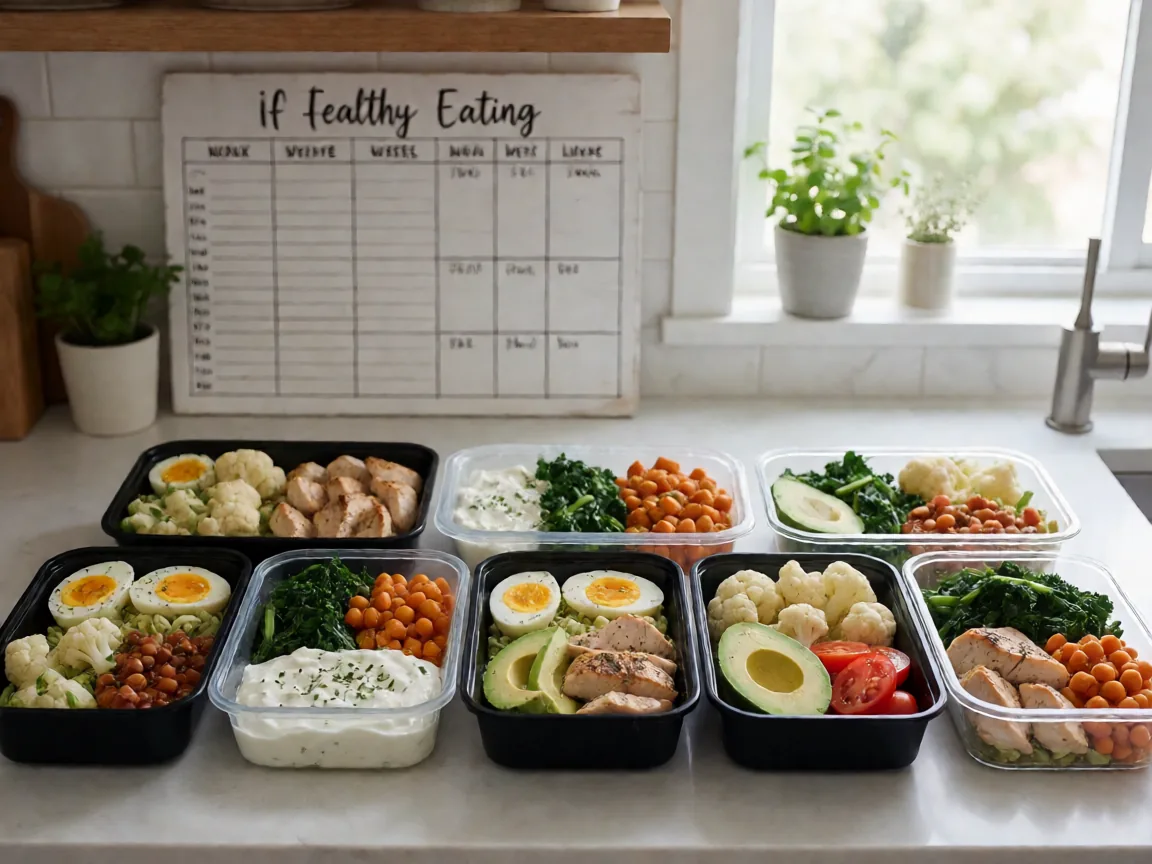
Template 2: budget-friendly high protein low carb plan
A budget plan should prioritize flexible proteins and vegetables rather than expensive specialty products. Use eggs, canned tuna, canned salmon, chicken thighs, ground turkey, tofu, cottage cheese, frozen vegetables, cabbage, and seasonal produce. Buy large containers of plain yogurt instead of single-serve cups, and use spices to change the flavor.
A seven-day structure
On day one, make a large skillet of ground turkey, cabbage, and mushrooms. Eat it for dinner and reserve two portions for lunches. On day two, make egg-and-cheese breakfast cups and a tuna cucumber salad. On day three, roast chicken thighs with frozen green beans. On day four, use leftover chicken in a soup with spinach and cauliflower. On day five, make tofu stir-fry. On day six, use eggs, leftover vegetables, and cheese for a quick frittata. On day seven, clear the refrigerator with a protein-and-vegetable bowl.
This pattern limits waste because almost every ingredient appears in more than one meal. It also avoids relying on low-carb packaged snacks, which can cost more and may not provide much protein or fiber.
Budget substitutions
Replace salmon with canned salmon, sardines, or frozen white fish. Replace fresh spinach with frozen spinach. Replace avocado with cucumber, cabbage, or a teaspoon of olive oil if prices are high. Replace chicken breast with skinless chicken thighs, adjusting for their different fat content. Replace a branded keto sauce with mustard, vinegar, garlic, herbs, and a spoonful of yogurt.
Template 3: low-cook and vegetarian high protein plan
This template is for busy weeks when the microwave, blender, and grocery store deli counter do more work than the oven. It can be vegetarian, or you can add prepared chicken or fish if desired.
Breakfast ideas
Use Greek yogurt with chia and pumpkin seeds, cottage cheese with berries, a protein smoothie made with unsweetened soy milk and plain protein powder, or a microwave egg bowl with frozen spinach. Read supplement labels and avoid assuming a powder is appropriate for everyone; some contain sugar alcohols, stimulants, or ingredients that interact with medication.
Lunch ideas
Make a no-cook plate with prewashed greens, baked tofu, cucumber, olives, and a yogurt dressing. Another option is tuna mixed with Greek yogurt, mustard, and celery, served in lettuce leaves. For a vegetarian bowl, combine shelled edamame, chopped vegetables, pumpkin seeds, and a measured sesame dressing. Beans and lentils contain carbohydrate, but a smaller portion can fit some low-carb patterns depending on your target.
Dinner ideas
Use a rotisserie chicken with the skin removed, frozen cauliflower rice, bagged salad, and salsa. Or microwave a steamable vegetable bag and add tofu, eggs, or pre-cooked fish. A simple soup can combine boxed low-sodium broth, frozen vegetables, shredded chicken, and herbs. Check prepared foods for sodium and serving size rather than treating them as automatically healthy.
How to choose portions without a rigid menu
A plan should tell you what to assemble, not force you to ignore hunger or fullness. Start with a protein portion that fits your overall daily target. Add vegetables until the meal feels substantial. Include a measured fat or sauce for taste, then decide whether an optional snack is useful. People vary widely in calorie needs based on age, height, body size, sex, metabolism, and activity, so an online menu should not be treated as a personal prescription.
If you track macros, use the nutrition label or a reliable food database and weigh ingredients consistently. If you do not track, use hand-size portions and observe energy, hunger, digestion, and performance over time. Either approach can work; the best one is the one you can use without anxiety or excessive effort.
Protein distribution and variety
Many people find it easier to include protein at every meal than to save most of it for dinner. Rotate seafood, poultry, eggs, lean meat, soy, dairy, beans, nuts, and seeds as your plan allows. MyPlate notes that varying protein choices can provide different nutrients and can help limit excess saturated fat and sodium from processed meats.
For a vegetarian or mostly plant-based plan, compare tofu, tempeh, edamame, Greek yogurt, cottage cheese, eggs, and protein-fortified soy foods. Do not remove a food simply because it is not labeled keto; assess its portion, carbohydrate, fiber, and how it fits the rest of the day.
Prep workflow for a busy Sunday
Start with food safety: wash produce, use separate cutting boards for raw poultry and ready-to-eat foods, and refrigerate cooked food promptly. Boil eggs, wash greens, chop two vegetables, and prepare one sauce. Roast one tray of vegetables while cooking a protein on the stovetop. Label containers with the date and planned meal.
Keep wet ingredients separate from greens and cucumber. Store sauces in small containers. Freeze the portions that will not be eaten within a safe refrigerator window. Plan one emergency meal, such as tuna, microwavable vegetables, and Greek yogurt dressing, so a missed prep session does not automatically turn into takeout.
Storage and reheating
Use shallow containers so food cools more quickly. Refrigerate perishable food within two hours and reheat leftovers until hot throughout. Cooked poultry, beef, and mixed dishes are commonly used within three to four days when stored safely; delicate seafood is often better earlier. Follow local food-safety guidance and discard food that has been held at room temperature too long.
Freeze individual servings of soups, meatballs, cooked chicken, and tofu dishes. Thaw safely in the refrigerator or use a microwave, then reheat immediately. Keep fresh toppings separate to preserve texture.
When a low-carb plan becomes too restrictive
Watch for fatigue, constipation, persistent hunger, reduced exercise performance, or anxiety around food. These signs do not prove that low-carb eating is wrong for you, but they are reasons to reassess the plan with a qualified professional. A sustainable approach may include more fruit, legumes, whole grains, or other carbohydrate foods depending on your goals and health status.
People using insulin or other glucose-lowering medicines may need professional monitoring when carbohydrate intake changes. A high-protein plan may also require adjustment for kidney disease. Do not change medication or attempt to treat a condition with a meal plan alone.
FAQ
Is a high protein low carb diet plan the same as keto?
Not necessarily. Keto plans generally use a very low carbohydrate target to support ketosis, while low-carb plans can allow more carbohydrate. The terms are used inconsistently, so define your actual target and follow professional guidance when needed.
Can I repeat meals every week?
Yes, if you enjoy them and the overall pattern remains varied enough to provide nutrients. Rotate at least a few proteins and vegetables to avoid menu fatigue and broaden food choices.
How many meals should a plan include?
There is no universal number. Some people prefer three meals, while others use two meals and a snack. Choose a pattern that supports energy, hunger, schedule, and any clinical instructions.
Can I use meal-replacement shakes?
They can be convenient, but they should not automatically replace all meals. Check protein, calories, fiber, added sugar, sodium, and ingredients. Ask a clinician if you have a medical condition or take medication.
What is a good high-protein emergency meal?
Try tuna or salmon, microwavable vegetables, and Greek yogurt dressing; eggs with frozen spinach; or tofu with a bagged salad. Keep at least one shelf-stable protein and one frozen vegetable available.
How do I plan for restaurants?
Look for grilled or roasted protein, a vegetable side, and sauce on the side. Ask how dishes are prepared and remember that restaurant portions and sodium can be much higher than home portions.
Do I need to count net carbs?
That depends on your chosen plan and how your body responds. If you count, use a consistent definition and reliable label information. If you have diabetes, use the method recommended by your care team.
Where should beginners start?
Start with the standard template for three days, not a perfect seven-day challenge. Our 7-day keto meal plan for beginners offers another starting structure, while the Keto Meal Plans section has planning ideas.
A three-day starter version
If a complete week feels overwhelming, begin with three days. On day one, use eggs and spinach for breakfast, chicken salad for lunch, and salmon with broccoli for dinner. On day two, use Greek yogurt with seeds for breakfast, leftover salmon over greens for lunch, and turkey cabbage skillet for dinner. On day three, use tofu scramble for breakfast, tuna cucumber bowls for lunch, and chicken with cauliflower for dinner. Prepare only the proteins you expect to eat, then buy one emergency option such as eggs, canned fish, or tofu.
At the end of day three, ask whether the meals were filling, affordable, practical, and enjoyable. If one meal was inconvenient, change that meal rather than abandoning the entire structure. If you were hungry, examine the portion of protein, vegetables, and fat. If digestion was uncomfortable, increase fiber more gradually and check fluid intake. A shorter experiment creates useful information without turning a menu into a pass-or-fail challenge.
Planning for work, travel, and social meals
Pack food that can be eaten cold if you do not have a refrigerator or microwave: tuna packets, shelf-stable tofu, nuts in a measured portion, roasted chicken, boiled eggs, cheese, cucumber, and a simple salad. Use an insulated lunch bag with a cold pack for perishable foods. When traveling, look for grilled protein, vegetables, plain yogurt, eggs, or salads, and ask for sauces on the side. One restaurant meal does not erase a week of planning; return to your next normal meal instead of trying to compensate with extreme restriction.
For social events, decide what matters most. You might choose the main protein and vegetables, enjoy a small portion of a favorite carbohydrate, or eat a normal meal beforehand so you are not ravenous. A flexible plan should include real life. Tracking every gram is optional, and the plan should not make work, family, or cultural meals unnecessarily stressful.
Using leftovers without boredom
Give each cooked protein three different identities. Chicken can become a lemon-herb bowl, taco lettuce cups, or a curry-style salad. Ground turkey can become cabbage skillet, stuffed peppers, or a breakfast hash with eggs. Tofu can become a sesame bowl, a smoky taco filling, or a blended high-protein sauce. Change texture as well as seasoning: serve one meal warm, one chilled, and one chopped over greens.
Write the planned use on the storage container. “Chicken—salad Monday” is more helpful than a container with no date or purpose. If a leftover no longer looks appealing, freeze it or repurpose it promptly rather than letting it remain forgotten in the refrigerator.
Keep one “fresh meal” in the week as well. A freshly cooked omelet, crisp salad with salmon, or shrimp and zucchini skillet can make the plan feel less like a storage project. Planning one meal that is prepared and eaten immediately also helps you notice which textures and flavors you actually want to repeat.
Use the same principle for snacks: prepare only a few portions, and leave room for hunger to guide you. A snack can be plain yogurt, an egg, cheese with cucumber, edamame, or a small portion of nuts. If you are not hungry, it is optional; a meal plan should not require eating simply to complete a spreadsheet.
Bottom line
The strongest high protein low carb diet meal plans are flexible enough to survive a busy week. Choose a few repeatable protein anchors, add vegetables, measure concentrated fats, vary sauces, and create a backup meal. Use the three templates here as a framework, then adjust portions and carbohydrate choices to your needs and professional guidance.
Nutrition note: This article is general education, not individualized medical advice. Nutrition values depend on brands and portions. Consult a qualified professional before a substantial dietary change if you are pregnant, breastfeeding, managing kidney or metabolic disease, taking glucose-lowering medication, or concerned about eating patterns.
Sources
- NIDDK: Eating and Physical Activity to Lose or Maintain Weight
- NIDDK: Food Portions
- USDA MyPlate: Protein Foods
Save the ideas that fit your routine and adapt the rest. Consistency is built through repeatable choices, not perfect days.