
7-Day Keto Meal Plan for Beginners with Grocery List
A flexible 7-day keto meal plan for beginners with simple low-carb meals, meal-prep guidance, substitutions, and a practical grocery list.
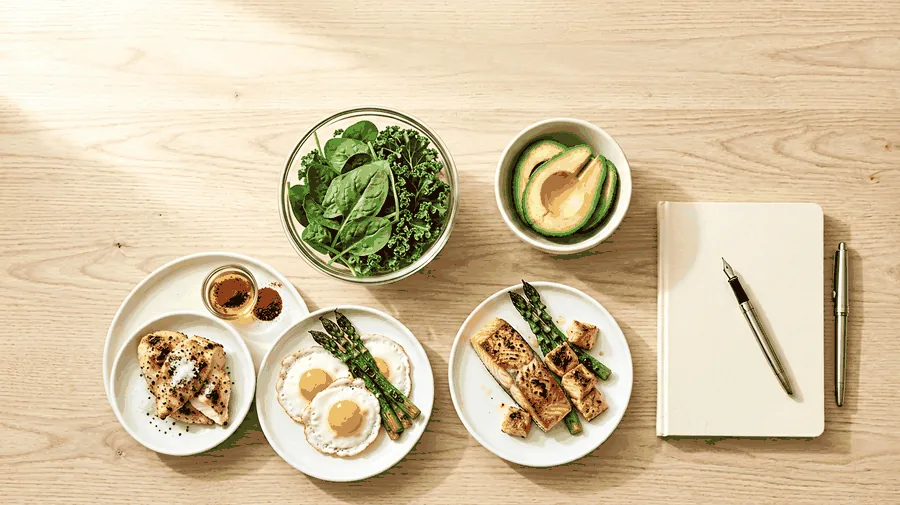
A beginner-friendly keto meal plan should remove decision fatigue without pretending that one menu fits every person. This seven-day plan uses repeatable ingredients, simple cooking methods, and flexible portions. Use it as a starting framework, then adjust serving sizes and ingredients to your preferences and professional nutrition guidance.
Before you start: A ketogenic diet may not be appropriate for everyone. If you are pregnant, managing diabetes, taking glucose-lowering medication, or have another health condition, speak with a qualified healthcare professional before changing your diet.
How to Use This 7-Day Plan
Choose water, unsweetened coffee, or unsweetened tea as your default beverages. Use the snack option only when you are genuinely hungry, and swap meals within the same category when needed. The aim is a sustainable low-carb routine, not perfection.
7-Day Keto Meal Plan
| Day | Breakfast | Lunch | Dinner |
|---|---|---|---|
| Day 1 | Eggs with spinach and avocado | Chicken salad lettuce cups | Roasted salmon with broccoli |
| Day 2 | Greek yogurt with chia and berries | Taco beef cauliflower bowl | Garlic chicken with zucchini |
| Day 3 | Vegetable egg muffins | Tuna and cucumber salad | Beef and broccoli stir-fry |
| Day 4 | Cottage cheese with cinnamon and seeds | Leftover salmon over greens | Chicken and mushroom skillet |
| Day 5 | Protein pancakes with unsweetened yogurt | Egg salad with lettuce and cucumber | Stuffed peppers with seasoned beef |
| Day 6 | Breakfast bowl with eggs and cauliflower | Chicken soup with leafy greens | Sheet-pan fish with green beans |
| Day 7 | Spinach omelet with cheese | Leftover beef bowl with salad | Simple roast chicken with cauliflower |
Optional Keto Snacks
Choose one small option if it fits your needs: a boiled egg, a few olives, cheese with cucumber, Greek yogurt, a small handful of nuts, or a low-carb protein snack. Portions matter, especially for calorie-dense foods such as nuts, cheese, and nut butter.
Beginner Grocery List
- Protein: eggs, chicken, salmon or another fish, lean ground beef, canned tuna, Greek yogurt, and cottage cheese.
- Vegetables: spinach, broccoli, cauliflower, zucchini, mushrooms, cucumber, lettuce, green beans, peppers, and onions.
- Flavor: garlic, lemons, herbs, mustard, salsa, low-sugar seasoning, olive oil, and vinegar.
- Optional extras: avocado, chia seeds, berries, olives, nuts, and cheese.
One-Hour Meal Prep Routine
- Boil eggs and prepare the yogurt or cottage-cheese breakfasts.
- Roast a tray of vegetables while cooking chicken or beef on the stovetop.
- Wash greens and chop cucumber for salads.
- Portion two lunches and store the remaining components separately.
- Write down substitutions before the week begins so an unavailable ingredient does not derail the plan.
For more recipes, visit Keto Recipes. If you want more protein-focused options, explore High-Protein Meals. The nutrition background is covered in Keto Weight Loss Guides.
FAQ
Does this meal plan guarantee weight loss?
No. Results depend on total energy intake, activity, sleep, health status, adherence, and many other factors. A meal plan is a structure, not a guarantee.
Can I replace meat or fish?
Yes. Choose a protein source that fits your preferences and nutrition needs. Vegetarians and pescatarians may need different substitutions to keep meals satisfying.
How to Personalize a Beginner Keto Meal Plan
This seven-day menu is a framework, not a fixed prescription. Start by identifying meals you already enjoy and then replace higher-carbohydrate components with vegetables, eggs, fish, poultry, meat, dairy, or another protein that suits your preferences. The best meal plan is one that fits your schedule, budget, cooking equipment, and appetite.
Serving sizes should be adjusted to the person eating the meal. A physically active adult may need a different amount of food than someone with a smaller appetite. If you have a medical condition, take medication, or have a history of disordered eating, seek personalized guidance before making a major dietary change.
Before the Week Starts
Choose a realistic cooking window. You do not need to prepare every breakfast, lunch, and dinner in advance. Cook one protein, wash vegetables, boil eggs, and prepare a sauce. Then use fresh cooking for the remaining meals. If you are new to low-carb eating, keep a simple backup meal available so a missed preparation session does not turn into an all-or-nothing decision.
Set up your kitchen for convenience. Place washed greens at eye level, keep cooked proteins in clear containers, and store snack ingredients in measured portions. A written grocery list can prevent extra purchases and make it easier to see which ingredients can be used across several meals.
Detailed Seven-Day Menu
Day 1: A Simple Start
Begin with eggs, spinach, and avocado for breakfast. Lunch can be chicken salad lettuce cups with cucumber and a mustard dressing. For dinner, roast salmon with broccoli and lemon. If you need a snack, use a boiled egg or plain Greek yogurt. These meals introduce the basic pattern of protein, vegetables, and a flavorful finishing ingredient.
Day 2: Taco-Inspired Meals
Use Greek yogurt with chia seeds and a few berries for breakfast. At lunch, prepare a taco beef cauliflower bowl with lettuce and salsa. Dinner can be garlic chicken with zucchini. Taco seasoning, lime, cilantro, and salsa help the meals feel different from Day 1 without requiring a completely new shopping list.
Day 3: Make Leftovers Work
Prepare vegetable egg muffins for breakfast. Pack tuna and cucumber salad for lunch, then make beef and broccoli stir-fry for dinner. Save an extra portion of the stir-fry for a later meal. Leftovers are an important part of a practical plan because they reduce cooking time and food waste.
Day 4: A Warm and Cool Combination
Have cottage cheese with cinnamon and seeds for breakfast. Use leftover salmon over greens for lunch. Dinner can be a chicken and mushroom skillet with a side of roasted cauliflower. If dairy does not suit you, replace cottage cheese with eggs or another protein you tolerate.
Day 5: A Flexible Breakfast
Try protein pancakes with unsweetened yogurt for breakfast. Lunch can be egg salad with lettuce and cucumber, while dinner is stuffed peppers with seasoned beef. The peppers add color and texture; if you avoid them, use a bowl format with cabbage or zucchini instead.
Day 6: Soup and Sheet-Pan Cooking
Make a breakfast bowl with eggs and cauliflower. For lunch, use chicken soup with leafy greens. At dinner, bake fish with green beans. This day uses simple cooking methods and is useful when you want fewer dishes or less hands-on preparation.
Day 7: Use What You Have
Finish the week with a spinach omelet and cheese. Turn leftover beef into a salad bowl for lunch, then make simple roast chicken with cauliflower for dinner. Review the remaining vegetables and proteins before shopping again so the next plan begins with less waste.
Grocery List With Substitutions
Proteins
Buy eggs, chicken, salmon or another fish, lean ground beef, canned tuna, Greek yogurt, and cottage cheese. You can replace chicken with turkey, fish with shrimp, and beef with ground turkey. Pescatarians can use seafood, eggs, dairy, and tofu. Vegetarians may need a different plan with intentional protein combinations.
Vegetables
Choose spinach, broccoli, cauliflower, zucchini, mushrooms, cucumber, lettuce, green beans, peppers, and cabbage. Frozen broccoli, spinach, and cauliflower are useful backup options. If one vegetable is unavailable, use another non-starchy vegetable with a similar cooking method.
Flavor and Pantry Items
Keep lemons, garlic, herbs, mustard, salsa, vinegar, olive oil, spices, broth, chia seeds, and a small amount of cheese available. Read labels on sauces, broth, yogurt, and seasonings because added sugar can vary between brands.
Meal Prep Timeline
On the first preparation day, boil eggs, bake egg muffins, roast a tray of vegetables, and cook one protein. Wash greens and make one dressing. On the middle day, inspect the refrigerator, freeze anything that will not be eaten safely, and prepare one fresh dish. On the final day, use leftovers in a soup, salad, bowl, or omelet rather than throwing them away.
Keep components separate when texture matters. Salad greens should not sit in dressing, avocado is best cut close to mealtime, and crispy toppings should be stored separately. Label containers with dates and use food-safety guidance appropriate to your location.
Eating Out During a Keto Week
A meal plan should leave room for real life. At a restaurant, choose a protein-based dish, ask for sugary sauces or dressings on the side, add a non-starchy vegetable, and check whether bread, rice, fries, or sweet glazes are included. You do not need to create a perfect order; make the most useful choice available and return to your normal routine at the next meal.
For travel, pack shelf-stable options such as tuna pouches, nuts in measured portions, olives, or a low-sugar snack that fits your needs. At a hotel, eggs, plain yogurt, cheese, and vegetables can form a simple breakfast. Hydration and sleep also affect appetite, so a meal plan works best as part of a broader routine.
How to Adjust the Plan for Hunger
If hunger is consistently high, review whether meals contain enough protein, vegetables, and satisfying flavor. Eating too quickly, sleeping poorly, or leaving very long gaps between meals can also make the plan feel difficult. Add food thoughtfully rather than reacting to one hungry moment. If hunger is severe, persistent, or accompanied by other symptoms, seek professional advice.
If you are not hungry, do not automatically add every optional snack. A meal plan is a menu of options. Your daily intake may vary, especially with changes in activity or schedule. Avoid turning the plan into a rigid test of willpower.
Tracking Progress Beyond the Scale
Body weight naturally changes from day to day because of hydration, sodium, digestion, hormones, and other factors. In addition to scale trends, notice energy, hunger, sleep, digestion, meal satisfaction, and how consistently you can follow the plan. A useful menu should make daily life easier, not create constant stress.
FAQ About Beginner Keto Meal Plans
Can I repeat meals during the week?
Yes. Repetition reduces shopping and cooking demands. Keep two or three flavor variations available if you get bored easily.
Can I make the plan dairy-free?
Yes. Replace yogurt, cottage cheese, and cheese with eggs, avocado, fish, poultry, tofu, or another suitable protein. Check sauces and packaged foods for hidden dairy.
Can I follow the plan if I do not eat breakfast?
Yes. Combine the breakfast protein and vegetables into your first meal later in the day, or use the meal plan as a menu rather than a required schedule.
Is a 7-day plan enough to evaluate keto?
One week can help you learn the structure and identify foods you enjoy, but it cannot predict long-term results. Sustainable habits, personal health, and professional guidance matter more than a short experiment.
Daily Details for the Seven-Day Plan
On Day 1, cook enough salmon and broccoli for dinner plus one lunch portion. Keep the lemon and dressing separate so the second meal does not become soggy. On Day 2, use taco seasoning to create a different flavor profile from the first day. A small change in herbs or sauce can make repeated ingredients feel less repetitive.
On Day 3, use the beef and broccoli dinner as a planned leftover rather than an accidental one. Portion it immediately after cooking and label it. On Day 4, use the leftover salmon over greens and add a fresh crunchy vegetable. This reduces cooking while preserving variety.
On Day 5, prepare stuffed peppers or a bowl version with the same filling. On Day 6, make soup with any remaining chicken and vegetables. On Day 7, inspect the refrigerator before buying new ingredients. Leftover greens, eggs, meat, and vegetables can become an omelet, soup, salad, or skillet.
Two Preparation Sessions Instead of One
Some people do not want to spend a long block of time cooking. Divide the work into two shorter sessions. During the first session, cook eggs, vegetables, and one protein. During the second session, prepare soup or a fresh dinner and restock washed greens. This rhythm keeps food fresher and reduces the feeling that the entire week depends on one Sunday.
Use the freezer strategically. Freeze extra cooked beef, chicken soup, or portions of casserole in clearly labeled containers. Do not freeze foods whose texture will suffer if you dislike the result; the purpose of the freezer is to reduce waste, not to force yourself to eat food you no longer enjoy.
Swap Matrix for Common Ingredients
| Original | Possible Swap | How to Adjust |
|---|---|---|
| Chicken breast | Turkey, chicken thigh, fish, tofu | Adjust cooking time and check protein values. |
| Salmon | Shrimp, canned salmon, white fish | Use shorter cooking time for shrimp and thinner fish. |
| Ground beef | Ground turkey, chicken, crumbled tofu | Use extra seasoning if the replacement is leaner. |
| Greek yogurt | Cottage cheese or unsweetened dairy-free alternative | Check protein, sugar, and carbohydrate labels. |
| Cauliflower rice | Cabbage, zucchini, leafy greens | Choose a cooking method that controls moisture. |
Substitutions should match both nutrition and function. A watery vegetable may not replace rice in a casserole without changing the recipe. A lean protein may need a sauce or a different cooking method. Make the change deliberately and review the finished portion.
For Busy Mornings
Prepare a breakfast that can be eaten in five minutes: two egg muffins, Greek yogurt with measured chia seeds, a boiled egg with cucumber, or a leftover protein bowl. Put the container where you will see it. If you commute, pack a backup option the night before. This is often more useful than planning a complicated breakfast that requires cooking when you are already late.
For Late Lunches
Keep a shelf-stable backup such as tuna, olives, or a low-sugar snack that fits your needs. In the refrigerator, store boiled eggs, washed greens, and cooked chicken. A late lunch can be a simple plate rather than a complete recipe. Avoid waiting until extreme hunger and then deciding among many unfamiliar options.
For Travel and Weekends
Weekends rarely follow a weekday schedule. Use the meal plan as a menu bank rather than a rule. Before leaving home, eat a protein-based meal and carry water. At restaurants, choose a protein, a vegetable, and a dressing or sauce on the side. If you eat a higher-carbohydrate meal, return to your normal routine at the next meal rather than trying to compensate with extreme restriction.
Portioning and the Meal Plan
The menu lists meal ideas, not a universal calorie prescription. Use hunger, nutrition labels, personal goals, and professional advice to adjust portions. A larger person or active individual may need more food, while another person may need less. Include enough food to make the plan sustainable and avoid treating a small portion as automatically better.
Calorie-dense ingredients deserve attention because they are easy to underestimate. Measure oils, dressings, nuts, seeds, cheese, and nut butter while learning portions. This does not mean avoiding them; it means understanding how much they contribute to a meal.
How to Make the Grocery List More Efficient
Choose one ingredient that appears in at least three meals. For example, spinach can be used in eggs, soup, and salad. Chicken can appear in lunch, dinner, and soup. Greek yogurt can be breakfast, a sauce, or a snack. This overlap lowers cost and makes it easier to use food before it spoils.
Shop the perimeter for fresh proteins and vegetables, then use the center aisles for broth, spices, canned seafood, and other pantry items. Check labels on packaged sauces, yogurt, and seasoning blends. “Low-carb” products can vary significantly in serving size and added ingredients.
Progress Review at the End of the Week
Ask four questions: Which meals tasted good? Which meals were fastest? Which ingredients went unused? Which meal prevented unplanned eating? Use the answers to design the next week. A plan improves through feedback, not through constant replacement with a new diet.
Also review energy, sleep, digestion, and mood. If a dietary change causes concerning symptoms, stop and seek professional advice. Weight management is only one part of health, and a meal plan should support the whole person.
When a Seven-Day Plan Is Not Enough
Some people need a longer rotation, a lower-cost menu, a no-cook plan, or a plan for specific dietary restrictions. The structure can be extended by repeating the meal formats and changing the main protein or vegetable. Do not simply multiply portions without checking food safety and nutrition needs.
More Beginner Questions
Can I drink coffee on the plan?
Unsweetened coffee or tea can fit many low-carb patterns. Milk, cream, sweeteners, and flavored syrups can add calories and carbohydrates, so include them in your personal plan.
What if I dislike eggs?
Use Greek yogurt, cottage cheese, chicken, fish, tofu, or another suitable protein. Breakfast does not need to be a traditional breakfast food.
Can I prepare the whole week at once?
You can prepare components, but freshness and safety matter. Many people prefer one larger session plus a shorter midweek session. Freeze portions that will not be eaten within the recommended storage window.
How do I keep the plan affordable?
Use eggs, canned fish, chicken thighs, ground meat, frozen vegetables, cabbage, and seasonal produce. Choose recipes with overlapping ingredients and avoid buying specialty products for one meal.
This article is for general education and is not medical advice.
Save the ideas that fit your routine and adapt the rest. Consistency is built through repeatable choices, not perfect days.