
If you want a repeatable way to eat fewer refined carbohydrates while keeping protein visible at every meal, a high protein low carb diet meal plan can give you a useful starting structure. The goal is not to make every meal identical or to promise a particular rate of weight loss. It is to make the next meal easier to build: choose a protein, add non-starchy vegetables, include a measured source of fat, and adjust portions to your needs.
This seven-day plan is written for generally healthy adults who want practical ideas for breakfast, lunch, dinner, and snacks. It includes eggs, poultry, fish, lean meat, Greek yogurt, tofu, and flexible vegetarian swaps. Each day is designed around roughly three protein-centered meals and one optional snack. Portion sizes are examples, not prescriptions. Your energy needs depend on factors such as body size, age, activity, preferences, and health status.
Quick answer: what makes this plan high protein and low carb?
A high protein low carb meal plan is built around foods that provide protein without relying on large servings of bread, pasta, rice, sugary drinks, or desserts. A typical plate may include 4 to 6 ounces of cooked poultry or fish, two eggs plus an additional protein, or a cup of plain Greek yogurt. The rest of the plate can be filled with vegetables such as greens, broccoli, cauliflower, zucchini, mushrooms, peppers, cucumber, or green beans.
Low carb does not have to mean zero carb. Non-starchy vegetables, plain dairy, berries, nuts, beans, and other foods can contribute useful carbohydrates and fiber. If you follow a medically prescribed carbohydrate target, use that target rather than copying a general internet plan. People who are pregnant or breastfeeding, have kidney disease, use glucose-lowering medication, or have a history of an eating disorder should ask a qualified clinician or registered dietitian for individual guidance before making a major dietary change.
How to use the seven-day high protein low carb menu plan
Use the menu as a framework, not a test you can pass or fail. Choose the portion that leaves you comfortably satisfied, and add or remove an optional snack based on hunger and activity. A few simple rules make the plan easier to personalize:
- Put a clear protein source in each main meal.
- Aim for two or more types of vegetables across the day.
- Use fats for flavor and satisfaction, but measure calorie-dense ingredients such as oil, cheese, nuts, and avocado when weight management is a goal.
- Favor water, unsweetened coffee, tea, or sparkling water over sugar-sweetened drinks.
- Check packaged foods for added sugar and total carbohydrate, especially sauces, flavored yogurt, deli meats, and protein bars.
- Rotate seafood, poultry, eggs, lean meat, soy foods, and dairy instead of relying on one protein every day.
The USDA MyPlate Protein Foods guidance includes seafood, meat, poultry, eggs, beans, peas, lentils, nuts, seeds, and soy products, and recommends variety across protein choices. The amounts that work for you still need to reflect your own needs and preferences. For more structured ideas, you can also browse the Keto Meal Plans section and compare this framework with our 7-day keto meal plan for beginners.
Day 1: simple start with chicken and eggs
Breakfast: vegetable egg scramble
Cook two whole eggs with one-half cup of egg whites, mushrooms, spinach, and a tablespoon of grated cheddar. Serve with sliced avocado or a spoonful of plain Greek yogurt if you prefer a cooler topping. The egg whites raise the protein without making the scramble much larger, while the vegetables add volume and texture.
Lunch: lemon chicken salad bowl
Use 4 to 5 ounces of cooked chicken breast over romaine, cucumber, tomatoes, and a small portion of olives. Dress with lemon juice, one teaspoon of olive oil, black pepper, and dried oregano. If you need a higher-energy meal, add a tablespoon of seeds or a little more avocado. If you want fewer calories, increase the greens and keep the dressing measured.
Dinner: salmon, broccoli, and cauliflower mash
Bake a 5-ounce salmon fillet with lemon, garlic, and paprika. Serve with roasted broccoli and mashed cauliflower blended with a tablespoon of plain Greek yogurt. Salmon brings a different protein source and a rich flavor, so the rest of the plate can stay simple.
Optional snack
Choose three-quarter cup of plain Greek yogurt with cinnamon, or a cheese stick with sliced cucumber. Select one option rather than adding both automatically.
Day 2: a portable high protein low carb meal plan
Breakfast: Greek yogurt crunch bowl
Combine one cup of unsweetened plain Greek yogurt with one tablespoon of chia seeds, a small handful of walnuts, and a quarter cup of berries. If dairy does not work for you, use an unsweetened soy yogurt with a higher protein label and adjust the texture with chia.
Lunch: turkey lettuce wraps
Fill large lettuce leaves with 4 ounces of sliced turkey, a slice of cheese, mustard, cucumber sticks, and shredded cabbage. Choose lower-sodium turkey when available, or replace deli meat with leftover roasted turkey or chicken. Pack the filling separately from the lettuce so it stays crisp.
Dinner: beef and zucchini skillet
Brown 4 ounces of 93% lean ground beef with onion, zucchini, garlic, and a spoonful of no-sugar-added tomato sauce. Add smoked paprika and chili flakes for depth. Serve with a side salad and a small amount of sour cream or plain yogurt. If you prefer a plant-based dinner, use crumbled extra-firm tofu or tempeh and verify the label for carbohydrate content.
Optional snack
Two hard-boiled eggs with a few cherry tomatoes make a practical snack. Keep peeled eggs refrigerated and use them within the storage period recommended on the package or by your food-safety authority.
Day 3: a low carb high protein diet meal plan with seafood
Breakfast: cottage cheese breakfast plate
Serve three-quarter cup of cottage cheese with cucumber, cherry tomatoes, pumpkin seeds, and fresh herbs. Choose a lower-sodium version if that fits your needs. Cottage cheese varies widely in protein and sodium, so read the Nutrition Facts panel instead of assuming every brand is the same.
Lunch: tuna avocado salad
Mix one can of tuna packed in water with Greek yogurt, lemon, celery, and dill. Serve over greens with one-quarter avocado. If you are watching sodium, compare cans and drain thoroughly. For a mercury-conscious seafood routine, vary tuna with salmon, sardines, trout, shrimp, or other options recommended for your life stage.
Dinner: shrimp cauliflower rice stir-fry
Stir-fry 5 ounces of shrimp with cauliflower rice, broccoli, peppers, mushrooms, ginger, and a small amount of reduced-sodium tamari. Add sesame seeds at the table if desired. Cook shrimp until opaque and firm, and avoid leaving cooked seafood at room temperature for extended periods.
Optional snack
Use a small protein shake only if it solves a real problem, such as a rushed commute or post-workout meal gap. Choose a product with a short ingredient list, no unnecessary added sugar, and a protein amount that fits your day.
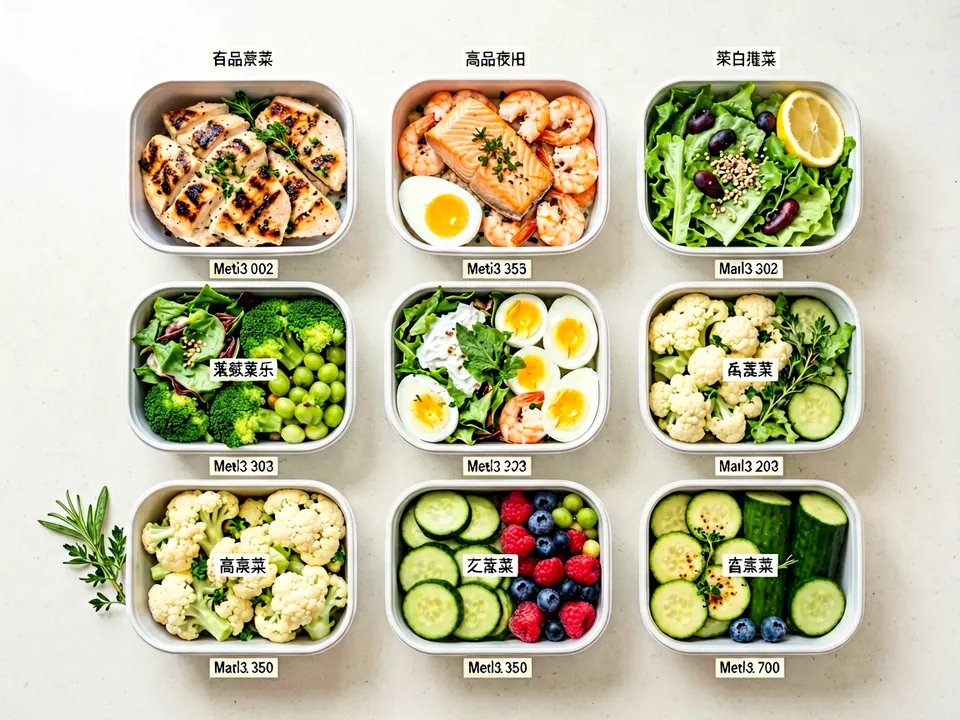
Day 4: make protein meal prep do the work
Breakfast: turkey and spinach egg muffins
Whisk six eggs with one-half cup of egg whites, chopped spinach, diced peppers, and 3 ounces of cooked ground turkey. Divide into a greased muffin pan and bake until the centers are set. Eat two or three with cucumber or tomatoes. Make a batch for several breakfasts, then refrigerate promptly in a shallow container.
Lunch: chicken pesto vegetable box
Pack 4 ounces of sliced chicken, roasted zucchini, green beans, a few olives, and one tablespoon of pesto. Pesto can be calorie-dense, so portion it rather than pouring directly from the jar. Add a small serving of nuts only if you need more energy or crunch.
Dinner: turkey meatballs with zucchini noodles
Combine lean ground turkey with egg, grated Parmesan, garlic, parsley, and pepper. Bake small meatballs and serve with zucchini noodles and a no-sugar-added marinara. A side of roasted eggplant or a leafy salad can stretch the meal without adding much starch.
Optional snack
Try edamame or tofu cubes with chili-lime seasoning. Soy foods can be useful for variety, but check for added sauces and keep the portion consistent with your carbohydrate target.
Day 5: a family-friendly high protein low carb menu plan
Breakfast: smoked salmon egg bowl
Top two eggs with 2 ounces of smoked salmon, cucumber, capers, and a spoonful of plain yogurt. Smoked salmon can be high in sodium, so use a smaller portion and choose fresh salmon on another day.
Lunch: burger bowl
Cook a 4-ounce lean beef or turkey patty and serve it over shredded lettuce with pickles, tomato, onion, mustard, and a measured burger sauce. Add roasted cauliflower or green beans instead of fries. For a vegetarian version, use a firm tofu patty or a bean-based patty, then check the label because carbohydrate and protein amounts vary.
Dinner: chicken fajita skillet
Cook sliced chicken with peppers, onions, cumin, paprika, and lime. Serve in a bowl with shredded lettuce, salsa, avocado, and plain Greek yogurt. If other family members want tortillas, keep your filling separate and choose the serving that matches your eating pattern.
Optional snack
A small serving of almonds with a mozzarella stick can be convenient. Because both foods are energy-dense, pre-portion them instead of eating from a large bag.
Day 6: a flexible plant-forward day
Breakfast: tofu scramble
Crumble extra-firm tofu into a pan with turmeric, mushrooms, spinach, and nutritional yeast. Add a side of unsweetened soy yogurt if you need more protein. If you eat eggs, combine one egg with tofu to create a texture you enjoy while keeping the meal flexible.
Lunch: chicken or tofu chopped salad
Build a salad with greens, cucumber, radish, herbs, and 4 ounces of chicken or a generous serving of baked tofu. Add pumpkin seeds and a tahini-lemon dressing. Tahini is nutritious but concentrated, so start with one tablespoon and thin it with water and lemon.
Dinner: cod with green beans and herb yogurt
Bake cod with lemon, parsley, and garlic. Serve with green beans and roasted mushrooms, plus a sauce made from Greek yogurt, lemon zest, and dill. Cod is mild, so this meal is easy to adapt to another white fish or a firm tofu portion.
Optional snack
Use leftover chicken, tofu, or a small bowl of cottage cheese. Planned leftovers are often more useful than buying another packaged snack.
Day 7: use leftovers and reset your kitchen
Breakfast: protein smoothie with a side
Blend unsweetened soy milk, plain Greek yogurt or a protein powder, spinach, ice, and a small portion of berries. Serve with one boiled egg or a tablespoon of nut butter if the smoothie alone does not keep you satisfied. Liquid meals can be less filling for some people, so pay attention to your hunger rather than forcing a smoothie routine.
Lunch: leftover protein bowl
Combine leftover chicken, salmon, shrimp, or tofu with greens and two or three vegetables. Add a spoonful of salsa, pesto, or yogurt dressing. This is the day to use small portions rather than letting food disappear in the refrigerator.
Dinner: sheet-pan chicken and vegetables
Roast chicken thighs or breasts with broccoli, zucchini, and mushrooms. Use a simple spice blend, and add a side of cauliflower mash if you want a comfort-food feel. Cook enough for one additional lunch, but do not prepare more leftovers than you can safely refrigerate and use.
Optional snack
Choose plain yogurt, a cheese portion, or a small handful of nuts based on what your day needs. If you are not hungry, skip the snack.
Grocery list for the week
Protein foods
Buy eggs and egg whites, chicken breast or thighs, lean ground turkey, lean ground beef, salmon, cod, shrimp, tuna, Greek yogurt, cottage cheese, tofu, edamame, and a simple protein powder if you use one. Fresh or frozen seafood and vegetables can both work; frozen options may reduce waste.
Vegetables and flavor builders
Stock leafy greens, broccoli, cauliflower, zucchini, mushrooms, peppers, onions, cucumbers, cabbage, tomatoes, green beans, lemons, garlic, herbs, salsa, mustard, no-sugar-added marinara, tamari, spices, and a measured cooking oil.
Optional supporting foods
Choose berries, avocado, olives, walnuts, almonds, pumpkin seeds, chia seeds, tahini, Parmesan, cheese sticks, and unsweetened soy milk. These foods can add flavor and useful nutrients, but portions matter because fats and nuts are compact sources of energy.
One-hour meal prep method
Start by setting the oven to a temperature that works for your chosen chicken, vegetables, or egg muffins. While it heats, wash and cut vegetables, then place two sheet pans in motion: one for a protein and one for vegetables. Hard-boil eggs or bake egg muffins while the pans cook. Mix one yogurt-based sauce and one lemon-herb dressing in separate containers.
When food is cooked, divide it into shallow containers so it cools efficiently. Keep dressings, avocado, and crunchy vegetables separate where possible. Label containers with the preparation date. Refrigerate perishable food promptly, and reheat leftovers until steaming hot. If you are unsure whether a dish has been stored safely, discard it rather than relying on smell alone.
The most useful prep target is not seven perfect days. It is two proteins, two vegetables, one sauce, and a ready breakfast. You can then assemble meals in several combinations and change seasonings when you want variety.
Portion and macro adjustments
This plan does not assign a universal calorie or protein number because those targets are individual. If a meal leaves you hungry, first add vegetables or a modest protein portion. If you are eating more energy than intended, measure oils, nuts, cheese, dressings, and avocado before reducing protein or vegetables. If performance or recovery matters, your carbohydrate needs may be higher than this sample plan suggests.
For a higher-protein version, add egg whites, extra chicken, fish, tofu, or Greek yogurt. For a lower-protein version, use the portion recommended by your clinician and distribute it across meals. For a dairy-free version, replace yogurt and cottage cheese with unsweetened soy products or another suitable alternative. For a vegetarian version, combine eggs, tofu, tempeh, edamame, Greek yogurt, and lower-carbohydrate vegetables while checking labels.
Common mistakes to avoid
Mistake 1: treating low carb as unlimited fat
Butter, oil, cream, cheese, nuts, and avocado can fit a low carb pattern, but adding several to every meal can make the plan much more energy-dense than expected. Measure first, then adjust based on your goals and hunger.
Mistake 2: forgetting fiber and produce
Removing bread and sweets without adding vegetables, seeds, or other fiber-containing foods can make meals less satisfying and harder to sustain. Build the plate with produce before adding extra cheese or processed meats.
Mistake 3: using processed meat as the default protein
Bacon, sausage, and deli meat are convenient but can be high in sodium and saturated fat. Use them occasionally and rotate in poultry, seafood, eggs, tofu, beans in appropriate portions, nuts, and seeds.
Mistake 4: making promises based on a menu
One meal plan cannot guarantee weight loss or a specific health outcome. Sustainable weight management usually depends on a pattern of eating, activity, sleep, stress, and the context of a person’s health. A plan is useful when it helps you make consistent choices, not when it creates rigid rules.
FAQ
Is a high protein low carb diet meal plan the same as keto?
Not necessarily. Keto is usually defined by a much lower carbohydrate intake intended to support nutritional ketosis, while “low carb” can describe a wider range. This plan uses low-carb meal ideas but does not claim to set a ketogenic carbohydrate threshold.
How much protein should I eat each day?
There is no single amount that fits everyone. Protein needs vary with body size, age, activity, health status, and goals. Use a qualified professional for an individualized target, especially if you have kidney disease or another condition that affects nutrition.
Can I follow this plan for weight loss?
You can use it as a meal-planning framework, but it does not guarantee weight loss. Overall portions, beverage choices, activity, sleep, and consistency all matter. NIDDK guidance emphasizes choosing an eating plan you can maintain over time rather than relying on a short, extreme approach.
What can I use instead of chicken?
Swap chicken for turkey, fish, shrimp, lean beef, eggs, tofu, tempeh, or another protein you enjoy. Keep the seasoning and cooking method similar so the substitution remains simple.
Are beans allowed on a low carb plan?
Beans contain carbohydrate along with protein and fiber, so the right portion depends on your personal carbohydrate target. If you include them, measure the serving and balance the rest of the meal with non-starchy vegetables.
How long can I keep meal-prepped food?
Storage time depends on the food, temperature, container, and local food-safety guidance. Refrigerate promptly, keep the refrigerator cold, label containers, and follow current government food-safety recommendations. When in doubt, discard food that has been left out too long or shows signs of spoilage.
Final takeaways
A practical high protein low carb diet meal plan should make meals easier to repeat without forcing every person into the same portions. Start with one protein, two vegetables, and a measured dressing or fat. Prep a few components instead of cooking seven different recipes. Rotate protein sources, keep an eye on sodium and added sugar, and adjust the plan for your health needs.
This article is for general education and is not medical or nutrition treatment. Dietary changes can affect blood glucose, blood pressure, digestion, medications, and energy levels. Speak with a qualified healthcare professional or registered dietitian before making a major change, and seek personalized advice if you are pregnant, breastfeeding, managing a chronic condition, or taking medication.
Sources and further reading
Save the ideas that fit your routine and adapt the rest. Consistency is built through repeatable choices, not perfect days.