
Quick answer: The most reliable no carb foods to eat are plain meat, poultry, fish, shellfish, eggs, animal fats, and some cheeses, as long as they are not coated, sweetened, breaded, or mixed with a sugary sauce. “Zero carb” is a practical label, not a promise that every brand or serving contains literally no carbohydrate. Small amounts can come from marinades, seasonings, dairy, or processing. This guide explains how to choose naturally carb-free foods, how to build balanced keto meals, and when a very low-carb approach may need professional guidance.
What does “no carb” really mean?
When people search for no carb foods to eat, they usually mean foods that contain little or no naturally occurring carbohydrate and can fit into a keto or very-low-carb meal plan. In practice, food labels may show zero grams of carbohydrate because the amount is below the rounding threshold, even when a serving contains a small trace. A food can also be carb-free in its plain form and contain carbohydrates after it is marinated, breaded, cured with sugar, or served with a sauce.
That distinction matters because “no carb” describes the food itself, not automatically the whole meal. Plain grilled chicken is very low in carbohydrate, but chicken coated in barbecue sauce, flour, honey, or a sweet glaze is a different food from a carbohydrate-counting perspective. The same idea applies to eggs, seafood, cheese, deli meat, and ready-to-eat snacks.
A useful three-level framework is:
- Naturally carb-free or nearly carb-free: plain meat, poultry, fish, shellfish, eggs, water, and many pure fats.
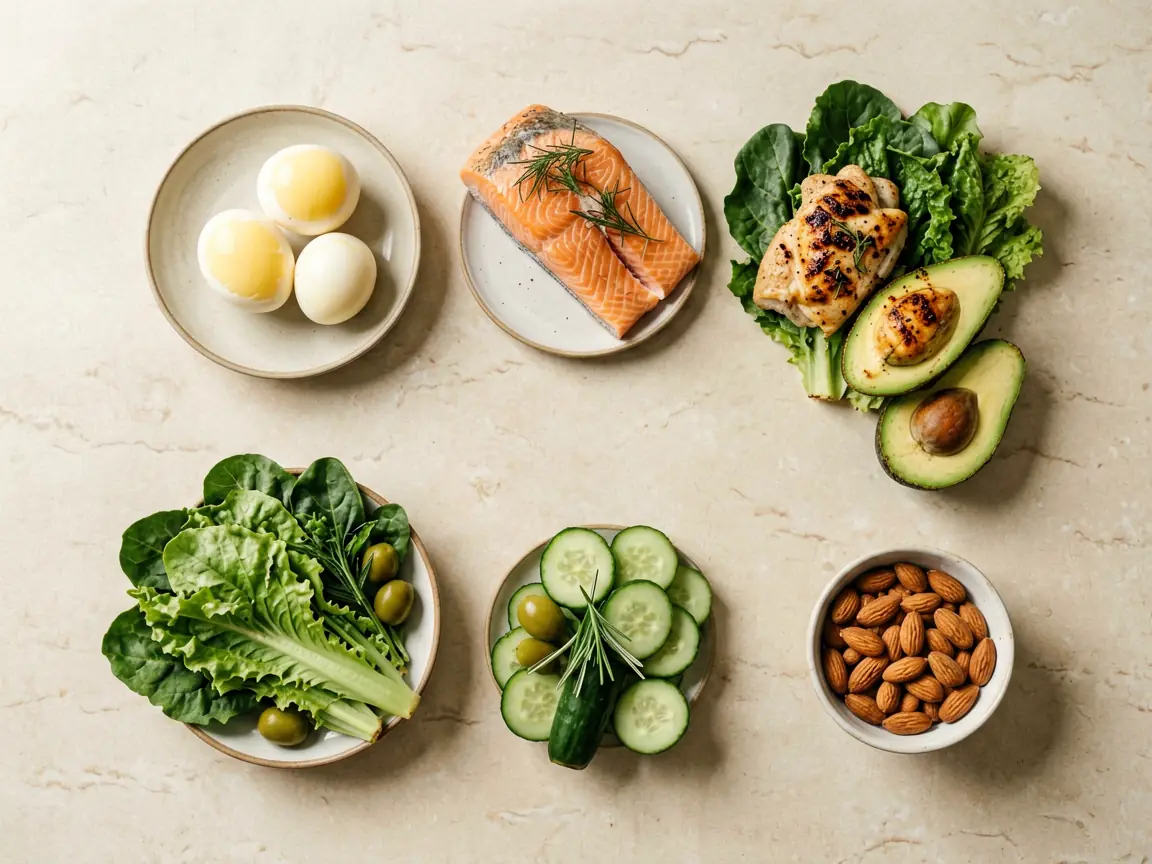
- Very low carb: leafy greens, cucumber, zucchini, cauliflower, avocado, olives, and unsweetened full-fat dairy. These foods contribute small amounts of carbohydrate and valuable fiber or micronutrients.
- Low-carb packaged foods: jerky, sauces, protein products, flavored yogurt, dressings, and deli meats. These require label checking because recipes vary by brand.
This framework is more useful than trying to create a long list of foods that must be eaten exclusively. A sustainable low-carb plate usually combines a protein source, non-starchy vegetables, a source of fat, and enough fluid and electrolytes for the person’s needs.
The best no carb foods to eat
1. Plain meat
Unbreaded beef, pork, lamb, and game meats are common foundations for a very-low-carb meal. Examples include ground beef with no fillers, steak, roast beef, pork loin, pork shoulder, lamb chops, and venison. The carbohydrate content is usually associated with what is added to the meat rather than the plain meat itself.
Choose cuts according to your preferences, budget, and overall health goals. A leaner cut can work well when you are adding olive oil, avocado, or a sauce. A higher-fat cut may be more satisfying for some people, but “more fat” is not automatically better for everyone. If you are managing cholesterol, cardiovascular risk, or another condition, discuss the right balance of saturated and unsaturated fats with a clinician.
For packaged ground meat, read the ingredient list. Some formed patties, meatballs, sausages, and seasoned burger products contain breadcrumbs, starch, sugar, or a sweet seasoning blend. Plain ground meat is easier to count and season at home.
2. Poultry
Chicken and turkey are versatile options for no-carb or very-low-carb meals. Chicken breast, thighs, wings, turkey breast, and ground turkey can be roasted, grilled, poached, or cooked in a skillet. Plain poultry is a convenient base for meal prep because it can be used in salads, lettuce wraps, soups, and bowls.
Watch for breading, barbecue seasoning, honey mustard, teriyaki sauce, and pre-marinated products. A label that says “crispy,” “glazed,” “sweet heat,” or “ready to cook” deserves a closer look. You can create a lower-carb flavor profile with garlic, black pepper, paprika, lemon zest, herbs, vinegar, chili, and a small amount of unsweetened mustard.
3. Fish and seafood
Salmon, tuna, cod, trout, sardines, mackerel, shrimp, crab, and many other plain seafood options are naturally very low in carbohydrate. Seafood can also add protein and, depending on the type, omega-3 fats. Try baked salmon with leafy greens, shrimp with zucchini noodles, or canned tuna mixed with mayonnaise and chopped celery.
Preparation makes the difference. Plain grilled fish and shrimp are not the same as breaded fish sticks, sweet chili shrimp, or seafood in a flour-thickened sauce. For canned seafood, compare labels and choose versions packed in water or oil without sweet sauces. If you are watching sodium, rinse canned seafood or choose a lower-sodium option when available.
4. Eggs
Eggs are practical, affordable, and easy to use in breakfast, lunch, and dinner. Scrambled eggs, omelets, hard-boiled eggs, egg salad, and frittatas can all fit into a low-carb routine. Add vegetables such as spinach, mushrooms, peppers, or zucchini when you want more volume and fiber.
Eggs are not a complete meal by themselves for everyone. Pair them with vegetables, a protein side, or fruit that fits your chosen carbohydrate target. If you have been advised to limit dietary cholesterol or saturated fat, ask your health professional how eggs fit into your individual plan.
5. Pure fats and simple cooking oils
Butter, ghee, olive oil, avocado oil, coconut oil, and other pure fats contain little to no carbohydrate. They can improve texture and help food taste satisfying, but they are still energy-dense. Adding large amounts of fat can raise calories quickly, even when carbohydrate intake stays low.
Use enough oil to cook food and enough dressing to make vegetables enjoyable. You do not need to add unlimited butter or cream to make a low-carb meal work. Extra-virgin olive oil, avocado oil, nuts, seeds, and fatty fish can help add unsaturated fats, while the best choice depends on your preferences and health context.
6. Some cheeses and unsweetened dairy
Hard cheeses such as cheddar, parmesan, Swiss, and gouda are often low in carbohydrate. Plain cream cheese, sour cream, and heavy cream may also fit in small portions. Soft and flavored dairy products can contain more carbohydrate, particularly when sugar, fruit puree, or sweeteners are added.
Use cheese as a component rather than the only source of nutrition. A plate of cheese, turkey, cucumber, and olives can be useful as a snack, but a meal built around protein and vegetables is generally easier to balance. Check serving sizes because cheese and cream can be easy to overeat.
Foods that are often called no-carb but still contain some carbs
Some of the most nutritious keto-friendly foods are not literally carbohydrate-free. That does not make them bad choices. It simply means they should be counted if you are following a specific carbohydrate limit.
Non-starchy vegetables
Spinach, lettuce, arugula, kale, broccoli, cauliflower, asparagus, mushrooms, green beans, zucchini, cucumber, and cabbage usually contain modest amounts of carbohydrate and provide fiber, potassium, folate, vitamin C, and other nutrients. Their water and fiber content can also add volume to a meal.
Rather than trying to eliminate vegetables to reach zero carbohydrate, many people do better by choosing portions that fit their plan. A large salad with salmon, olive oil, and vinegar may contain more total carbohydrate than plain salmon, but it can be more filling and nutritionally complete.
Avocado and olives
Avocado and olives contribute fat, fiber, and flavor. They are common low-carb foods, but they are not carb-free. Serving size matters, especially with avocado. Add a measured portion to a salad, egg bowl, or lettuce wrap instead of assuming that a large amount has no impact on your daily total.
Nuts and seeds
Almonds, walnuts, pecans, chia seeds, flaxseed, pumpkin seeds, and hemp hearts are useful toppings and snacks. They are not zero-carb foods and can add calories quickly. Choose unsweetened versions and check labels for honey, sugar, dried fruit, or starch coatings.
Plain Greek yogurt and cottage cheese
Unsweetened Greek yogurt and cottage cheese may fit a low-carb plan while providing protein, but lactose contributes carbohydrate. Compare brands, use a measured serving, and avoid flavored products unless the label fits your target. If dairy causes digestive symptoms, choose a suitable alternative or leave it out.
How to shop for no-carb foods
Shopping becomes easier when you separate the perimeter foods from the processed foods. Start with plain proteins: eggs, chicken, turkey, beef, pork, fish, and shellfish. Add non-starchy vegetables, a few sources of unsaturated fat, and simple seasonings. Then inspect any packaged item that is cured, flavored, breaded, or ready to eat.
Use this label checklist:
- Read the ingredient list, not only the front of the package.
- Look for sugar, syrup, honey, maltodextrin, flour, breadcrumbs, starch, and sweet sauces.
- Compare total carbohydrate, fiber, and serving size.
- Check whether the package contains one serving or several.
- Choose plain or unsweetened versions when possible.
- Check sodium when buying deli meat, canned food, jerky, sausage, or seasoning blends.
- Do not assume “keto,” “natural,” or “protein” means zero carbohydrate.
For people who count net carbs, a common calculation is total carbohydrate minus fiber, with additional rules for sugar alcohols depending on the product and your tolerance. The correct method can vary by country, label, and personal plan. If the calculation affects medication or a medical condition, use guidance from your healthcare team.
How to build a balanced no-carb or very-low-carb plate
A no-carb list is less useful than a repeatable meal structure. Start with a palm-sized serving of protein, then add one or two cups of non-starchy vegetables if they fit your plan. Add a measured amount of fat for cooking or dressing. Finish with herbs, acid, spice, or a small portion of a low-carb sauce.
Here are simple combinations:
- Grilled chicken, mixed greens, cucumber, olives, and olive oil vinaigrette.
- Salmon, roasted asparagus, and a lemon-herb butter.
- Ground beef, sautéed mushrooms, cabbage, and avocado salsa without added sugar.
- Eggs, spinach, feta, and a side of sliced tomatoes.
- Shrimp, zucchini noodles, pesto without added sugar, and parmesan.
- Turkey lettuce wraps with mustard, cucumber, and a side of pickles.
These meals are not identical in calories, fat, fiber, or sodium. The right portion depends on your size, activity, appetite, goals, and medical history. If weight loss is your goal, removing carbohydrate alone does not guarantee a calorie deficit. A meal plan still needs to be satisfying enough to follow and flexible enough for real life.
Meal prep ideas using no-carb foods to eat
Meal prep is helpful when the hardest part of eating well is deciding what to cook. Cook two proteins, wash or chop two vegetables, and prepare one simple sauce. Keep components separate so you can create different meals during the week.
Three-day protein prep
- Roast chicken thighs or chicken breast with salt, pepper, paprika, and garlic.
- Hard-boil a batch of eggs and cool them promptly.
- Cook salmon, tuna cakes without breadcrumbs, or another seafood option.
- Wash greens and slice cucumbers, celery, or zucchini.
- Store dressing and sauces separately to protect texture.
- Use refrigerated leftovers promptly and reheat cooked foods thoroughly.
For a no-cook option, combine canned tuna or salmon, boiled eggs, cheese, olives, salad greens, and cucumber. For a hot dinner, reheat chicken or beef with frozen cauliflower, broccoli, or green beans. For breakfast, rotate eggs, leftover meat, and unsweetened yogurt if dairy fits your plan.
Storage and food safety
Cool cooked food in shallow containers and refrigerate it rather than leaving it at room temperature for a long period. Label containers with the date, store sauces separately, and follow local food-safety guidance for how long leftovers can be kept. When in doubt, discard food that smells off, has changed texture, or has been stored improperly.
Common mistakes when eating “zero carb”
Eating only meat and ignoring variety
A very narrow food list can make it harder to obtain fiber, potassium, vitamin C, folate, and other nutrients. Some people may choose a short-term elimination approach for a specific reason, but it should not be assumed to be nutritionally complete. Adding suitable vegetables and other whole foods can make a plan more practical.
Overusing bacon, sausage, and processed meats
Many processed meats are low in carbohydrate, but low carb does not mean unlimited. They can be high in sodium and saturated fat, and recipes differ. Use them for flavor and convenience while rotating in fresh poultry, fish, eggs, and unprocessed meats.
Forgetting sauces and drinks
Sweet coffee drinks, juice, soda, sports drinks, ketchup, barbecue sauce, teriyaki sauce, and creamy dressings can add more carbohydrate than the main food. Water, unsweetened tea, and plain coffee are common low-carb beverage choices. Read sauce labels and use herbs, vinegar, lemon, garlic, and chili to add flavor.
Assuming zero carbs means zero calories
Oil, butter, fatty meat, cheese, and cream can be low in carbohydrate but high in calories. If your goal is weight management, portion awareness still matters. Use appetite, energy, and progress as feedback rather than trying to maximize fat simply because carbohydrate is low.
Changing carbohydrates without considering medication
People who use insulin or glucose-lowering medication may need adjustments when carbohydrate intake changes. Do not change medication on your own. Ask your prescribing clinician about monitoring, symptoms, and a safe transition plan.
Is a no-carb diet safe for everyone?
There is no single diet that is appropriate for every person. Some people enjoy a low-carb pattern and can follow it comfortably. Others experience constipation, fatigue, headaches, dizziness, poor exercise performance, or difficulty eating socially. A no-carb approach can also be difficult to maintain if it eliminates foods you value.
Speak with a qualified healthcare professional before making a major dietary change if you are pregnant or breastfeeding, under 18, managing diabetes, taking blood-pressure or glucose medication, living with kidney or liver disease, have a history of eating disorders, or have another condition that affects nutrition. Seek prompt care for severe weakness, confusion, fainting, persistent vomiting, or signs of dehydration.
For many adults, a less restrictive low-carb plan that includes vegetables, fiber-rich foods, and a range of protein sources may be easier to sustain. Your plan can still use the foods in this article without requiring every meal to contain zero grams of carbohydrate.
A simple one-day example
This sample is a structure, not a prescription. Adjust portions and ingredients to your needs.
- Breakfast: eggs cooked with spinach and mushrooms, plus unsweetened coffee or tea.
- Lunch: grilled chicken over greens with cucumber, olives, olive oil, and vinegar.
- Snack: a boiled egg or a measured portion of cheese, if needed.
- Dinner: baked salmon with asparagus and a small serving of avocado.
- Preparation: keep water available, season food with herbs and acid, and track packaged foods carefully.
If this pattern leaves you hungry, add more non-starchy vegetables or adjust protein and fat portions rather than relying on highly processed snacks. If it leaves you tired or uncomfortable, that is useful feedback to discuss with a professional.
Frequently asked questions
What foods have absolutely zero carbs?
Plain water, pure oils, and many plain animal foods are commonly treated as zero-carb or nearly zero-carb choices. However, exact values vary by serving, label rounding, and preparation. Seasoned, processed, breaded, or sauced versions may contain carbohydrates.
Are eggs a no-carb food?
Eggs are very low in carbohydrate and often fit a keto plan, but they may contain a small amount per serving. Check the label if you need precise tracking, especially when eggs are combined with milk, cheese, vegetables, or sauces.
Can I eat vegetables on a no-carb diet?
Most vegetables contain some carbohydrate, so they are not literally zero-carb. Many non-starchy vegetables can still fit a low-carb plan and provide fiber and micronutrients. Whether to include them and how much depends on your target.
Is cheese carb-free?
Some hard cheeses are very low in carbohydrate, while fresh, soft, flavored, or processed cheeses may contain more. Check the nutrition label and serving size. Cheese can be useful, but it should not replace all other protein and vegetable choices.
Will eating no-carb foods cause weight loss?
Not automatically. Weight change is influenced by total energy intake, appetite, activity, sleep, medications, health conditions, and consistency. A lower-carb plan may help some people feel more satisfied, but it is not a guaranteed result or a treatment for disease.
What can I use instead of sweet sauces?
Try lemon juice, vinegar, mustard without added sugar, garlic, herbs, chili, smoked paprika, salsa with a suitable label, or a homemade yogurt-and-herb sauce. These options can add flavor without turning a plain protein into a high-sugar dish.
The practical takeaway
The best no carb foods to eat are simple, minimally processed proteins and fats: plain meat, poultry, fish, shellfish, eggs, selected cheeses, and pure cooking oils. Use them as building blocks rather than a rigid list. Add non-starchy vegetables when they fit your carbohydrate target, check labels on processed foods, and pay attention to portion size and overall nutrition.
A successful keto or low-carb routine is usually the one you can repeat. Plan a few dependable meals, keep easy proteins available, prepare sauces without added sugar, and make room for professional guidance when your health history or medication makes dietary changes more complex.
Save the ideas that fit your routine and adapt the rest. Consistency is built through repeatable choices, not perfect days.