
Editorial note: Intermittent fasting is not appropriate for everyone. This article is general education, not medical advice. If you are pregnant or breastfeeding, under 18, have diabetes, a history of an eating disorder, take medication that affects blood sugar or blood pressure, or have another health condition, speak with a qualified professional before changing meal timing.
Meal Prep for Intermittent Fasting: A Practical 16:8 Guide
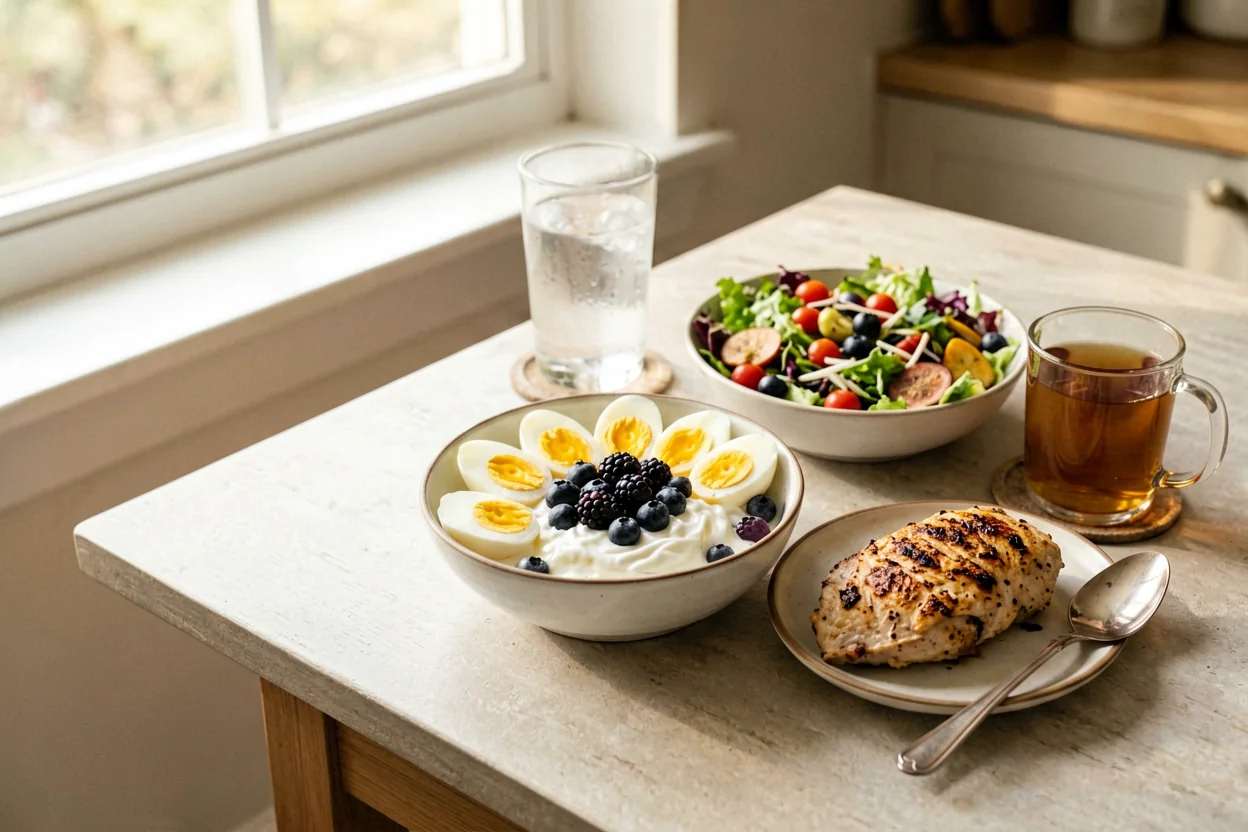
Meal prep for intermittent fasting is less about skipping food and more about making the eating window organized, nourishing, and realistic. A common approach is a 16:8 schedule, in which a person eats during an eight-hour window and avoids calories during the remaining sixteen hours. Some people prefer a shorter fasting period, while others choose a different schedule. There is no single timing pattern that works for everyone.
The most useful meal-prep system makes the first meal easy, the last meal satisfying, and the transition between them comfortable. It should also leave room for social events, exercise, sleep, and medical needs. Use the framework below as a starting point rather than a rule that you must follow perfectly.
What intermittent fasting actually changes
Intermittent fasting changes when you eat, not the basic need for adequate nutrition. Your meals still need protein, fiber, fluids, and enough energy for your body and lifestyle. A fasting schedule does not make highly processed food automatically balanced, and a shorter eating window does not remove the importance of food quality.
Some people find that a defined window reduces unplanned evening snacking. Others become overly hungry, distracted, irritable, or prone to overeating. Pay attention to how you feel. If the schedule causes persistent fatigue, dizziness, binge-like eating, sleep disruption, or anxiety around food, stop and seek appropriate support.
How to choose an eating window
Start with your normal schedule. A window that overlaps with work, family meals, and sleep is usually easier than a schedule selected only because it sounds strict. For example, a person may choose 9:00 a.m. to 5:00 p.m., 10:00 a.m. to 6:00 p.m., or 12:00 p.m. to 8:00 p.m. The best option is the one that can be followed without constant conflict.
Many people begin with a 12-hour overnight break, then move gradually if they feel comfortable. You do not need to rush toward a 16-hour fast. A shorter overnight break can still create structure and may be more appropriate for some people.
Meal prep formula for a fasting window
- First meal: protein, produce, and a satisfying carbohydrate or fat portion.
- Middle meal: a balanced plate or bowl that travels well.
- Optional snack: a planned protein and fiber combination if hunger is genuine.
- Last meal: enough food to support the overnight break without becoming uncomfortably large.
- Backup: a quick meal for days when your schedule changes.
The purpose of meal prep is to prevent the eating window from becoming a race to consume random foods. A prepared first meal can reduce the temptation to start with only coffee and then become overly hungry later.
Five meal-prep components
Protein anchors
Prepare two or three options, such as chicken, salmon, eggs, Greek yogurt, cottage cheese, tofu, tempeh, tuna, turkey, beans, or lentils. Different textures help you avoid repeating one meal every day.
High-volume produce
Wash greens, slice cucumber, shred cabbage, roast broccoli, and keep frozen vegetables available. Produce can be added to bowls, soups, wraps, omelets, and stir-fries with minimal effort.
Flexible energy foods
Rice, oats, potatoes, beans, lentils, fruit, and whole-grain bread can be portioned according to hunger and activity. Low-carb eaters may choose fewer starches, but the amount should fit the individual rather than being removed automatically.
Sauces and flavor builders
Prepare lemon-yogurt sauce, salsa, mustard dressing, herb vinaigrette, or a garlic-tahini sauce. Store sauces separately so meals remain fresh. Flavor is important because a meal that tastes good is easier to repeat.
Emergency foods
Keep shelf-stable tuna, canned beans, Greek yogurt, eggs, frozen vegetables, soup, tofu, and simple fruit available. A backup plan prevents one busy day from turning into a full week of abandoned preparation.
Example 16:8 meal-prep schedule
10:00 a.m. first meal
Choose Greek yogurt with berries and chia, eggs with vegetables and toast, or a tofu scramble with fruit. Include enough protein to make the meal feel like a real meal rather than a small snack.
1:30 p.m. lunch
Use a chicken salad bowl, turkey taco bowl, tuna crunch salad, or lentil and cottage cheese bowl. Add vegetables and a flexible carbohydrate portion if desired. Pack the dressing separately for better texture.
4:00 p.m. optional snack
If you are hungry, choose yogurt, cottage cheese, edamame, a boiled egg with fruit, or a small protein snack plate. If you are not hungry, you do not need to eat simply because the clock says it is snack time.
6:30 p.m. last meal
Prepare salmon and vegetables, chicken soup, tofu stir-fry, or a lean beef and vegetable skillet. A warm meal with protein and produce may be more satisfying at the end of the window than a very small salad.
Recipes that work well for meal prep
Chicken and vegetable soup
Cook chicken with broth, mushrooms, celery, zucchini, spinach, garlic, and herbs. Store portions in the refrigerator or freezer. Add Greek yogurt or a side salad at serving if you need more protein or volume.
Turkey taco filling
Brown lean turkey with cumin, paprika, garlic, onion, and tomato. Use the filling in lettuce cups, salad bowls, omelets, or a small tortilla. Salsa and yogurt create a quick sauce.
Tofu and edamame bowl
Combine baked tofu and edamame with cabbage, broccoli, mushrooms, and peppers. Add ginger, garlic, rice vinegar, and a modest amount of soy sauce. Serve over cauliflower rice or a flexible portion of rice.
Greek yogurt breakfast cups
Portion plain Greek yogurt into containers with berries and cinnamon. Keep chia, seeds, and crunchy toppings separate. Change the flavor with cocoa, lemon zest, or vanilla.
What to drink during the fasting period
Water is the simplest choice. Some people also drink unsweetened tea or black coffee during a fasting period. Sweeteners, cream, milk, juice, and flavored drinks may add calories or affect appetite, even when the portion seems small. If you take medication with food or need a specific nutrition routine, follow your clinician's instructions rather than forcing a fasting rule.
Do not use fasting as a reason to ignore thirst, dehydration, heat, or exercise needs. If you feel faint, confused, unusually weak, or unwell, end the fast and seek appropriate help.
Meal prep and exercise
Exercise timing does not need to be identical for everyone. Some people prefer to train near the beginning of the eating window, while others feel comfortable training after a meal. If you are performing demanding exercise, plan a meal with protein and enough carbohydrate or energy to support recovery.
Do not use intermittent fasting to compensate for an inadequate recovery diet. Consistent sleep, hydration, and sufficient food are more important than achieving a longer fasting window.
Common mistakes
Waiting until the window opens to decide what to eat
Hunger can make planning difficult. Prepare the first meal in advance so you can eat a balanced plate without rushing.
Saving all calories for one huge meal
A very large meal may cause discomfort and make it harder to recognize fullness. Two or three moderate meals may work better.
Making every meal too low in protein
Include a clear protein anchor at the first meal, lunch, and dinner. Variety matters more than using one supplement repeatedly.
Ignoring social life
A rigid schedule that prevents normal family meals may become stressful. Move the eating window occasionally or choose a shorter fasting period when needed.
Who should be especially cautious?
People who are pregnant, breastfeeding, under 18, recovering from an eating disorder, managing diabetes, taking medication that can cause low blood sugar, or living with a condition affected by meal timing should seek professional guidance. Older adults, athletes, and anyone with a history of fainting or nutritional deficiency may also need individualized advice.
Frequently asked questions
What is the easiest meal prep for intermittent fasting?
Prepare Greek yogurt cups, boiled eggs, chicken soup, tuna salad, roasted vegetables, and one flexible protein. These foods can be combined quickly when the eating window begins.
Can I drink coffee while fasting?
Some people choose black coffee, but tolerance and medical needs vary. Cream, milk, and sugar add calories. If coffee causes anxiety, stomach discomfort, or sleep problems, choose another drink.
Will intermittent fasting guarantee weight loss?
No. It may help some people organize intake, but total food intake, sleep, activity, medications, and health all matter. A shorter eating window is not a guarantee.
Bottom line
Meal prep for intermittent fasting should make meals more organized, not more extreme. Prepare protein, produce, sauces, flexible energy foods, and backups. Start with a schedule that fits your life, pay attention to hunger and energy, and change the plan if it causes distress or physical symptoms.
For more structured ideas, explore our Keto Meal Plans, High-Protein Meals, and Keto Weight Loss Guides.
Save the ideas that fit your routine and adapt the rest. Consistency is built through repeatable choices, not perfect days.