
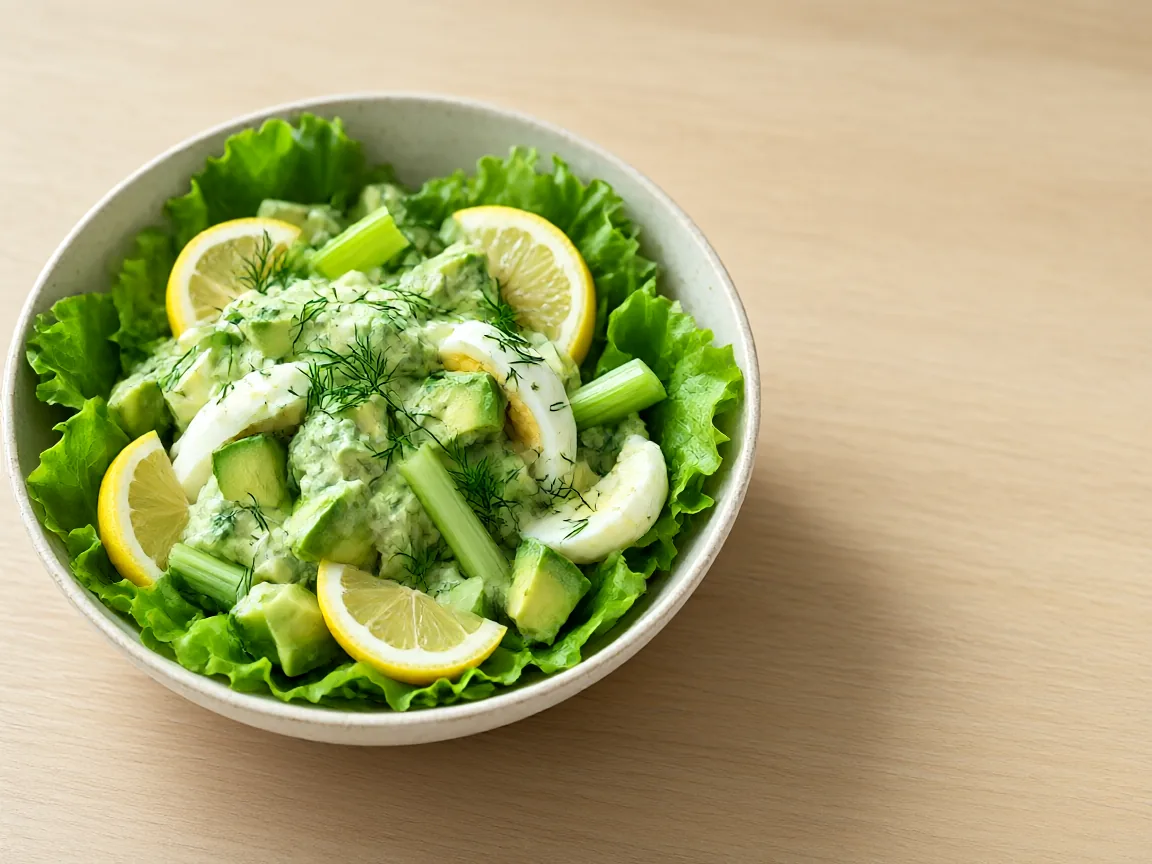
A keto avocado egg salad recipe is one of the easiest ways to turn a few cooked eggs into a filling breakfast, lunch, or snack. The avocado replaces part of the mayonnaise, adds a creamy texture, and brings a fresh flavor that works with crunchy celery, cucumber, herbs, and a squeeze of lemon. You can serve the mixture in lettuce cups, over greens, beside low-carb crackers, or in a bowl with extra vegetables.
This version is designed for busy North American kitchens. It uses ordinary grocery-store ingredients, takes about 15 minutes once the eggs are cooked, and is flexible enough for a family with different preferences. The key is to keep the avocado measured, season the salad in layers, and store it cold. Because the recipe contains eggs and avocado, it is best made in a small batch that can be eaten within a few days.
Quick answer: what makes avocado egg salad keto-friendly?
Eggs and avocado are naturally low in carbohydrate, but the finished dish is not automatically carbohydrate-free. The total depends on the vegetables, mayonnaise or yogurt, serving size, and anything you use for serving. For a lower-carbohydrate pattern, choose unsweetened add-ins, check labels, and serve the salad with leafy greens or a low-carb vegetable instead of a sweetened cracker or bread.
The avocado also changes the texture. It makes the salad soft and rich, while celery, radish, cucumber, or pickles add contrast. If you want a stronger classic egg-salad flavor, use half avocado and half mayonnaise. If you prefer a lighter, brighter version, use more lemon, herbs, and crisp vegetables.
Why this recipe works
Eggs provide structure and protein
Hard-boiled eggs make the base substantial. The whites give the salad small, firm pieces, while the yolks help create a creamy dressing when mashed with avocado. Chopping the eggs by hand gives you more control than pulsing them in a food processor, which can quickly turn the mixture pasty.
Avocado adds creaminess without a heavy dressing
Ripe avocado blends with lemon juice, mustard, and a modest amount of mayonnaise or Greek yogurt. It brings a buttery mouthfeel, but its flavor is mild enough to take on herbs and spices. Use avocado that is ripe but not watery or brown. Very soft fruit can make the salad loose and can darken faster after mixing.
Crunch keeps the bowl interesting
Celery is a classic choice, but you can also use cucumber, radishes, scallions, bell pepper, or finely chopped dill pickles. Choose one or two crunchy ingredients instead of adding everything at once. Too many wet vegetables can thin the dressing and make leftovers less appealing.
Ingredients and practical substitutions
This recipe makes four servings of about 3/4 cup each.
- 6 large eggs, hard-boiled and cooled
- 1 medium ripe avocado, about 5 ounces of flesh
- 2 tablespoons mayonnaise or plain unsweetened Greek yogurt
- 1 tablespoon fresh lemon juice
- 1 teaspoon Dijon mustard
- 1/2 teaspoon fine salt, plus more to taste
- 1/4 teaspoon black pepper
- 1/3 cup finely diced celery
- 2 tablespoons sliced scallions or finely chopped red onion
- 1 tablespoon chopped fresh dill or parsley
- 1 teaspoon capers or finely chopped dill pickle, optional
- Lettuce leaves, cucumber rounds, or mixed greens for serving
Choosing the creamy ingredient
Mayonnaise gives the most traditional egg-salad flavor. Greek yogurt adds tang and a little more protein, but it can make the mixture taste sharper. You can also use one tablespoon of each. Avoid sweetened salad dressings, flavored yogurt, or mayonnaise made with added sugar if you are trying to keep the recipe lower in carbohydrate.
Making it dairy-free
Use mayonnaise, olive oil, or a dairy-free plain yogurt. If using olive oil, start with one teaspoon and add more only if the mixture needs it. Oil does not thicken the salad in the same way as mayonnaise or yogurt, so the avocado should be ripe enough to provide body.
Reducing the onion flavor
Scallions are milder than raw red onion. You can also soak diced onion in cold water for five minutes, drain it well, and pat it dry. Another option is to use celery leaves, chives, or a pinch of onion powder.
How to cook eggs that peel cleanly
The egg salad will be easier to make when the eggs peel without large pieces of white sticking to the shell. Use eggs that are not extremely fresh if you have a choice. Place them in a saucepan and cover with about an inch of water. Bring the water to a steady boil, then cover the pan and turn off the heat. Let the eggs sit for 10 to 12 minutes, depending on their size and how firm you like the yolks.
Move the eggs to an ice bath for at least five minutes. Tap the wider end first, where a small air pocket often forms, then peel under a thin stream of water. Dry the eggs before chopping so extra water does not loosen the salad. If you prefer a different method, use your usual tested hard-boiled egg routine; consistency matters more than the exact technique.
Keto avocado egg salad recipe: step-by-step
1. Prepare the eggs
Peel the cooled eggs and cut them in half. Remove one yolk if you prefer a lighter texture, or keep all the yolks for a richer salad. Chop the whites and yolks into small pieces. Do not mash everything yet; some larger pieces make each bite more satisfying.
2. Make the avocado dressing
In a medium bowl, mash the avocado with lemon juice, mustard, salt, and pepper. Mash until mostly smooth, leaving a few small pieces for texture. Stir in mayonnaise or Greek yogurt. Taste this dressing before adding the eggs and adjust the lemon or salt if needed.
3. Fold in the vegetables
Add celery, scallions, herbs, and capers or pickle if using. Fold gently so the celery stays crisp. If you are preparing the salad for later, reserve a spoonful of the herbs and crunchy vegetables to add just before serving.
4. Add the eggs
Fold the chopped eggs into the avocado mixture with a spatula. Stop when everything is coated. Overmixing can make the salad dense and gray-green. For a chunky texture, leave some egg pieces about the size of a pea.
5. Chill and serve
Cover the bowl and refrigerate for 15 to 20 minutes if you have time. Chilling lets the lemon, mustard, and herbs settle. Serve in lettuce leaves, over greens, beside cucumber slices, or in a bowl with a spoon. If the salad has been stored, stir it once and taste before serving.
Serving ideas for breakfast, lunch, and snacks
Lettuce cups
Use sturdy romaine, butter lettuce, or green-leaf lettuce. Pat the leaves dry and spoon in the salad just before eating. Lettuce cups are useful when you want the egg salad to feel like a hand-held meal without a bread-based wrap.
Breakfast bowl
For a bowl inspired by keto breakfast bowl recipes, start with greens or cauliflower rice, then add avocado egg salad, cucumber, tomatoes, herbs, and a small portion of bacon or smoked salmon. The egg salad is already rich, so use a bright topping such as lemon, salsa without added sugar, or pickled jalapeño.
Cucumber rounds
Slice a firm cucumber into thick rounds and add a small spoonful of egg salad to each. This works as a simple snack or party appetizer. If making it ahead, keep the cucumber separate because its water can soften the salad.
Salad plate
Arrange the egg salad with arugula, tomatoes, roasted vegetables, olives, and a small portion of cheese if desired. This is an easy way to turn a compact recipe into a more complete lunch. Add a protein or vegetable portion according to your hunger and preferences rather than treating the salad as a fixed diet prescription.
Low-carb sandwich alternative
Use the filling in a low-carb tortilla, cloud-style bread, or a tested keto loaf. Keep the wrap or bread separate until serving. If you use an avocado bread recipe, slice it after it is fully cooled and toast it lightly before adding the cold salad.
Flavor variations
Everything-seasoning avocado egg salad
Add a small amount of everything seasoning, chopped chives, and extra black pepper. Check the salt level because many seasoning blends contain salt. This version is especially good in lettuce cups or on cucumber rounds.
Spicy jalapeño lime salad
Replace lemon with lime, then add finely diced jalapeño, cilantro, and a pinch of chili powder. Drain the jalapeño well. If the salad is too sharp, add a little more avocado or a spoonful of plain yogurt rather than adding sugar.
Mediterranean-style bowl
Use parsley, dill, chopped cucumber, a few olives, and a small amount of crumbled feta. Lemon and olive oil can replace some of the mayonnaise. Keep the olives and feta modest because both can bring a lot of salt.
Curry egg salad
Add 1/2 teaspoon mild curry powder, a pinch of turmeric, and chopped celery. A small spoonful of unsweetened yogurt can balance the spices. Check the curry blend for added sugar or starch if that matters for your plan.
Deviled-egg inspired salad
For a keto friendly deviled egg recipe variation, add paprika, mustard, a little pickle brine, and chopped chives. You can pipe the mixture into halved egg whites for a party presentation, but the bowl version is faster and easier for weekday meals.
Storage and food-safety guidance
Because this recipe contains cooked eggs and avocado, keep it cold. Transfer the salad to a shallow, covered container and refrigerate it promptly. A small batch is best eaten within two to three days for flavor and texture. Stir before serving, and discard it if it develops an off smell, unusual liquid, or visible mold.
Do not leave the salad at room temperature for a long period, especially outdoors, in a warm car, or on a buffet. If you are packing lunch, use an insulated bag with a cold pack. Keep the salad separate from lettuce, cucumber, and other wet serving items until you are ready to eat.
Avocado may darken slightly after exposure to air. A tight lid and a thin piece of parchment pressed gently against the surface can slow that change, but color alone is not a complete safety test. If you are uncertain about how long the salad has been unrefrigerated, discard it rather than tasting it to decide.
Freezing is not recommended. The eggs can become rubbery and the avocado may separate after thawing. If you want to prep ahead, cook and peel the eggs, wash the vegetables, and keep the dressing ingredients separate. Combine only the portion you plan to eat.
Troubleshooting common problems
The salad is watery
The avocado may have been very soft, or the vegetables may have released water. Drain wet ingredients well and pat them dry. Add a little more chopped egg or avocado to thicken the mixture. Do not solve a watery salad by adding large amounts of mayonnaise; that can make the flavor heavy without improving the structure.
The flavor is flat
Eggs and avocado need enough salt and acid. Add lemon juice a teaspoon at a time, then adjust salt. Fresh herbs, mustard, capers, pickle, or black pepper can add contrast. Taste after chilling because cold food often seems less seasoned than food at room temperature.
The salad tastes too strongly of avocado
Add mustard, lemon, herbs, or a small amount of pickle brine. A little mayonnaise can make the flavor more familiar. Serve the salad with crisp cucumber or radish so the creamy texture is balanced.
The egg pieces are too fine
Hand chopping is usually better than a food processor. If the salad is already too smooth, fold in a chopped hard-boiled egg, celery, cucumber, or scallion. A few larger pieces make the texture feel fresher.
The salad is too spicy or salty
Add more chopped egg, avocado, or plain unsweetened yogurt. Serve it over greens or beside unseasoned vegetables. Avoid adding water because it will dilute the flavor and make the mixture loose.
Meal-prep plan for a busy week
This recipe is most reliable when you prep components rather than storing the completed salad for many days. On the weekend, boil six eggs, cool them, and keep them in the refrigerator. Wash and dry celery, herbs, cucumber, and greens. Measure the mustard and lemon juice into a small container if you want a faster weekday assembly.
On the day you plan to eat the salad, mash one portion of avocado and combine it with two or three eggs, depending on your appetite. Add vegetables and seasonings just before serving. This approach keeps the avocado brighter and allows you to use different flavors through the week.
For a work lunch, pack the eggs, avocado, dressing, and vegetables in separate small containers if you have time. Combine them at lunch and serve with greens. This is more useful than preparing a large bowl on Sunday and hoping it will stay perfect until Friday.
For breakfast, assemble the salad while coffee or tea is brewing. Add a side of berries, tomatoes, or leftover vegetables if those foods fit your personal eating pattern. If you need a higher-protein plate, pair the salad with extra egg whites, cottage cheese, or another protein you already tolerate.
Nutrition and individual needs
The recipe provides fat, protein, and fiber, but exact nutrition depends on egg size, avocado weight, mayonnaise or yogurt, and serving size. If you track carbohydrates, weigh the avocado flesh and check the label of the creamy ingredient. Pickles, dressings, tortillas, and crackers can change the total more than the base salad does.
“Keto-friendly” is a planning description, not a medical guarantee. Some people use lower-carbohydrate meals for personal preference, while others need specific guidance for diabetes, kidney disease, pregnancy, allergies, medications, or digestive concerns. If you have a condition that affects food choices, ask a qualified clinician or registered dietitian how this recipe fits your needs.
This salad can be part of a satisfying meal, but it does not replace variety. Add vegetables, a protein source, fluids, and portions that match your hunger. A recipe cannot guarantee weight loss or a particular health outcome, and no single ingredient needs to carry the responsibility for an entire diet.
If you are serving several people, place the salad in a chilled bowl and offer the toppings separately. One guest may prefer extra herbs, another may want jalapeño, and someone else may choose a plain lettuce cup. This small serving setup also makes it easier to notice how much dressing, cheese, bacon, or bread is being added. For everyday meals, that awareness is more useful than trying to follow a rigid portion rule that does not match your hunger or schedule.
FAQ
Can I make this keto avocado egg salad recipe without mayonnaise?
Yes. Use plain unsweetened Greek yogurt, dairy-free yogurt, or a little olive oil. The texture will be different, so add the liquid gradually and taste before adding more.
Is a keto friendly egg salad recipe good for breakfast?
It can be. Serve a modest portion with greens, cucumber, tomatoes, or another food that fits your preferences. If you are hungry again quickly, look at the whole meal and add a satisfying protein or vegetable portion rather than automatically increasing the dressing.
Can I use frozen avocado?
Fresh avocado is more predictable. Frozen avocado may work after it is thawed and drained, but it can be wetter and less bright. Mash it separately and add it to a small batch first.
What can I use instead of celery?
Try cucumber, radish, scallion, chives, bell pepper, or finely chopped pickles. Choose ingredients that are crisp and dry them well before mixing.
Can I turn this into keto diet easy breakfast meal prep?
Yes. Prep the eggs and vegetables ahead, then combine avocado and dressing on the morning you plan to eat. Store the finished salad cold and use it within two to three days for the best quality.
Does egg salad guarantee weight loss?
No. A single recipe cannot guarantee weight change. It can be one practical meal in a broader routine that includes foods, activity, sleep, and portions suited to the individual.
Final takeaways
The best keto avocado egg salad recipe is creamy enough to feel satisfying, crunchy enough to stay interesting, and simple enough to repeat. Cook and cool the eggs carefully, measure the avocado, season with acid and salt, and keep wet serving ingredients separate until the last moment. Use lettuce cups, bowls, cucumber rounds, or a low-carb wrap to change the meal without changing the base.
Start with the classic version, then try the jalapeño-lime, Mediterranean, curry, or deviled-egg variations. Make a small amount, refrigerate it promptly, and treat the recipe as one flexible component of breakfast or lunch. Nutrition varies by ingredients and serving size. This article is general education, not individualized medical advice, and it does not diagnose, treat, cure, or prevent disease.
Save the ideas that fit your routine and adapt the rest. Consistency is built through repeatable choices, not perfect days.