
Easy Keto Recipes for Weight Loss
Discover practical keto recipes for breakfast, lunch, dinner, snacks, and desserts with simple low-carb ingredients and weight-management tips.
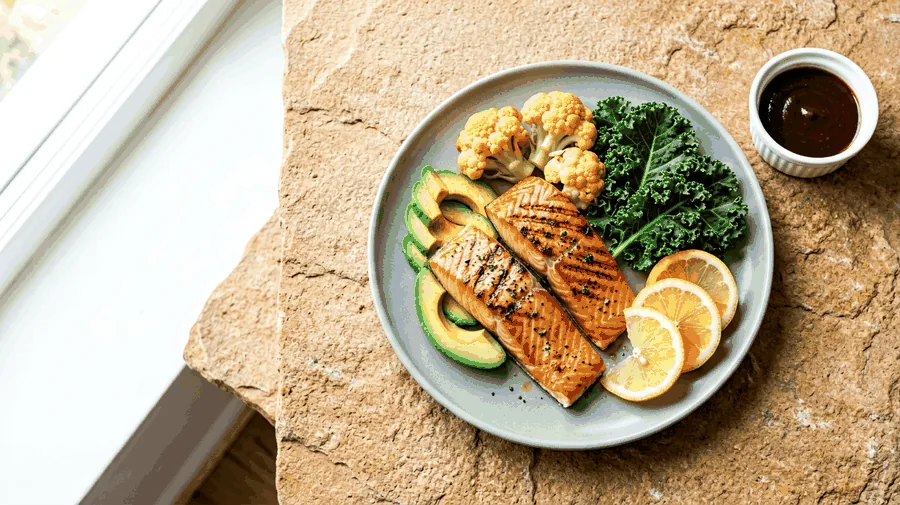
Eating keto does not have to mean cooking complicated meals or giving up variety. The most useful keto recipes are simple enough for a busy week, satisfying enough to repeat, and clear enough to fit into your personal nutrition goals. This guide brings together the building blocks of easy low-carb cooking so you can create meals that feel practical rather than restrictive.
Editorial note: Keto is not a medical treatment for everyone. If you have a health condition, take medication, are pregnant, or are considering a therapeutic ketogenic diet, speak with a qualified healthcare professional before making major dietary changes.
What Makes a Keto Recipe Work?
A keto-friendly recipe generally keeps digestible carbohydrate portions modest while combining protein, non-starchy vegetables, and a satisfying source of fat. The exact balance depends on your calorie needs, activity level, preferences, and the carbohydrate target you are following.
- Protein: eggs, poultry, fish, beef, Greek yogurt, tofu, or another protein that fits your eating pattern.
- Non-starchy vegetables: leafy greens, broccoli, cauliflower, mushrooms, zucchini, cucumber, and peppers.
- Flavor: herbs, spices, citrus, garlic, vinegar, mustard, salsa, and low-sugar sauces.
- Satiety: olive oil, avocado, cheese, nuts, seeds, or a measured serving of another fat source.
Build a Simple Low-Carb Keto Plate
Start with a palm-sized serving of protein, add one or two cups of vegetables, and then choose enough fat or sauce to make the meal enjoyable. This structure is flexible: a salmon salad, a chicken skillet, and a beef-and-broccoli bowl can all follow the same pattern while tasting completely different.
For weight management, portion awareness still matters. Keto ingredients can be energy-dense, so use nutrition labels and recipe calculations as guides rather than assuming that every low-carb food is automatically low-calorie.
Easy Keto Recipe Ideas for Every Meal
Breakfast
Try a vegetable omelet, a Greek-yogurt bowl with chia seeds, or a breakfast bowl with eggs, avocado, and sautéed greens. If you prefer meal prep, cook egg muffins or a crustless breakfast casserole and portion them for several mornings.
Lunch
Chicken salad, tuna salad, lettuce-wrap burgers, and cauliflower-rice bowls are easy to customize. Add crunch with cucumber, celery, radishes, or toasted seeds instead of relying on high-carbohydrate toppings.
Dinner
One-pan chicken, beef and broccoli, baked salmon, taco soup, and stuffed peppers are useful weeknight formats. Cook an extra serving so tomorrow's lunch is already handled.
Dessert
When you want something sweet, choose a small, intentional portion such as berries with unsweetened whipped cream, a chia pudding, a cocoa mug cake, or a low-carb cheesecake bite. Sweeteners and ingredients vary, so check the nutrition information for the specific recipe.
How to Make Keto Recipes Easier to Follow
- Choose three repeatable breakfasts and rotate them.
- Keep two cooked proteins and two ready-to-eat vegetables in the refrigerator.
- Make one sauce or dressing that can work across several meals.
- Save individual portions before sitting down to eat.
- Review net carbs, protein, calories, and serving size when the recipe is published.
For structured menus, visit our Keto Meal Plans. If your priority is fullness and protein intake, explore High-Protein Meals. Beginners can start with the explanations in our Keto Weight Loss Guides.
Frequently Asked Questions
Are all keto recipes automatically healthy?
No. A recipe can be low in carbohydrates and still be high in calories, sodium, or saturated fat. Look at the complete ingredient list and choose meals that fit your individual goals.
Do I need to count every gram of carbohydrate?
Some people track total carbohydrates, while others track net carbohydrates. Use one consistent method and confirm the approach with a healthcare professional if you have a medical reason to restrict carbohydrates.
How often should I eat keto meals?
There is no universal schedule. A consistent routine that supports adequate protein, vegetables, hydration, and an appropriate calorie intake is usually more useful than forcing a particular number of meals.
A Practical Keto Pantry for Everyday Cooking
A useful pantry is not a collection of specialty products. It is a small group of ingredients that can turn a basic protein and vegetable into several different meals. Keep olive oil, avocado oil, vinegar, mustard, unsweetened tomato sauce, salsa, canned tomatoes, broth, garlic, dried herbs, chili flakes, paprika, curry powder, and a low-sugar seasoning blend available. These ingredients make it easier to create flavor without relying on sugary sauces or a complicated recipe.
For quick proteins, stock eggs, canned tuna or salmon, rotisserie chicken without a sweet glaze, frozen shrimp, ground beef, and chicken thighs. Frozen vegetables are also useful because broccoli, cauliflower rice, spinach, and green beans can be cooked in minutes. Fresh vegetables add texture, but frozen vegetables reduce waste and make low-carb cooking more realistic for people who do not shop every day.
When buying packaged keto products, read the complete label. “Keto” on the front of a package does not guarantee that the product is low in calories, high in protein, or a good fit for your personal carbohydrate target. Look for serving size, total carbohydrates, fiber, added sugar, sodium, and the amount of protein. A simple whole-food meal is often easier to understand than a highly processed substitute.
Breakfast: Build a Repeatable First Meal
Breakfast is easier when you choose a format instead of searching for a new recipe every morning. An egg-based breakfast can include spinach, mushrooms, peppers, cheese, and avocado. A dairy-based breakfast can use unsweetened Greek yogurt or cottage cheese with chia seeds and a few berries. A leftover-based breakfast can turn last night’s chicken, beef, or salmon into a warm bowl with vegetables. These formats can be seasoned differently throughout the week.
If you prepare breakfast in advance, focus on texture. Egg muffins, crustless quiche, and breakfast casseroles reheat well when they are not overcooked. Yogurt bowls are best assembled just before eating so seeds and toppings do not become soggy. For a higher-protein option, combine two foods that complement each other, such as eggs with cottage cheese or Greek yogurt with a measured portion of nuts.
People who do not enjoy breakfast do not need to force an early meal. Some prefer a later first meal, while others feel better eating soon after waking. The important point is to avoid arriving at lunch extremely hungry and then choosing food impulsively. A planned breakfast, planned first meal, or planned portable option can all work.
Lunch: Use Components Instead of Complicated Recipes
A low-carb lunch can be assembled from prepared components in less than ten minutes. Start with leftover protein, add salad greens or chopped vegetables, and finish with a dressing. Chicken can become a Caesar-style salad, a lettuce wrap, or a bowl with cucumber and herbs. Ground beef can become a taco salad, stuffed pepper filling, or a warm cauliflower bowl. This component method keeps recipes flexible and makes leftovers more useful.
For packed lunches, separate wet ingredients from crisp ingredients. Put dressing in a small container, keep avocado or cucumber away from hot food, and allow cooked food to cool before sealing it. If you use a microwave, choose glass or a microwave-safe container and reheat only the portion you intend to eat.
Lunch does not have to be a salad. Soups, egg bakes, beef bowls, chicken skillets, tuna cakes, and low-carb casseroles can all be prepared in advance. Variety can come from the sauce: lemon-herb, mustard vinaigrette, taco seasoning, pesto without added sugar, or a yogurt-based garlic sauce can make the same protein feel like a different meal.
Dinner: Choose a Cooking Method First
When dinner feels difficult, choose the cooking method before choosing the recipe. Sheet-pan meals require one tray and are ideal for chicken, salmon, sausage, broccoli, zucchini, and cauliflower. A skillet is useful for ground beef, chicken strips, mushrooms, cabbage, and stir-fry vegetables. A slow cooker or pressure cooker can turn tougher cuts of meat into soup, stew, or shredded filling. Once the method is selected, the meal becomes a short ingredient list rather than a large decision.
For a balanced dinner, make the protein the anchor and the vegetables the volume. Add a sauce after cooking so that the flavor remains fresh and portions are easier to control. If you are feeding a family, serve a shared protein and vegetable dish, then let each person add their preferred side. This avoids preparing a completely separate dinner while still allowing different carbohydrate needs.
Use leftovers intentionally. Cooked chicken can be used in soup the next day, beef can be reheated with eggs for breakfast, and roasted vegetables can become a frittata filling. Mark containers with the date and freeze portions that will not be eaten within your safe storage window.
Soups, Bowls, and One-Pan Meals
Soups are among the easiest low-carb meals to scale. Begin with broth, aromatics, and a protein, then add vegetables that hold their shape. Cabbage, zucchini, cauliflower, mushrooms, spinach, and green beans work in different combinations. If a soup traditionally uses noodles, potatoes, or rice, consider whether extra vegetables or a smaller serving of a suitable substitute will provide the texture you want.
Bowls work because every ingredient is visible. Layer greens or cauliflower rice, add protein, include two colorful vegetables, and finish with a measured dressing. One-pan meals are useful when energy is low because preparation and cleanup are limited. Keep the seasoning simple and let lemon, herbs, garlic, or a finishing sauce provide contrast.
Low-Carb Baking Without Guesswork
Keto breads, muffins, cakes, and pancakes often behave differently from wheat-based baking. Almond flour adds moisture and fat, coconut flour absorbs a great deal of liquid, and eggs provide structure. A recipe may fail if you substitute one flour for another without changing the liquid or resting time. Follow the recipe first, then make one substitution at a time.
Measure ingredients consistently. A packed cup of almond flour is not the same as a lightly filled cup, and a tablespoon of oil can change the nutrition calculation. Let baked goods cool before slicing because many low-carb recipes continue to set after leaving the oven. Store portions separately so the finished food does not become an unplanned snack throughout the day.
Sweetness is personal. Some people prefer a lightly sweet dessert, while others want a close substitute for a traditional cake. Start with less sweetener than you think you need, then adjust the next batch. Include an accurate serving size and nutrition information, especially when a recipe contains nuts, cheese, cream, or chocolate.
Smart Substitutions for Common Ingredients
- Use cauliflower rice, shredded cabbage, or zucchini noodles when you want a vegetable base.
- Use lettuce leaves, egg wraps, or a low-carb tortilla when a meal normally uses bread.
- Use Greek yogurt, mashed avocado, or a measured mayonnaise-based dressing for creaminess.
- Use mushrooms, eggplant, or zucchini to add volume to meat dishes.
- Use herbs, citrus, vinegar, mustard, and spices to replace sweet bottled sauces.
Substitution is not just about reducing carbohydrates. It is also about matching the role of the original ingredient. A crunchy ingredient should be replaced with something crunchy, a thickener with another thickener, and a high-moisture ingredient with something that will not make the dish watery. This is why some substitutions work in soups but fail in baking.
Make Keto Recipes Family-Friendly
Family meals are easier when the central dish is naturally flexible. Serve chicken, beef, fish, eggs, or a casserole with vegetables, then place optional toppings and sides on the table. A family member who eats more carbohydrates can add fruit, beans, rice, or another side without changing the main dish. This approach also helps children and partners avoid feeling that a specific diet has taken over the kitchen.
Keep the language neutral. “This is the food we are serving tonight” is often more helpful than describing food as good, bad, clean, or forbidden. The purpose of a recipe website is to make practical choices easier, not to create anxiety around eating. Enjoyment, flexibility, and cultural food preferences should remain part of a sustainable routine.
A Simple Weekly Recipe Rotation
Choose one breakfast format, two lunch formats, three dinner formats, and one dessert or snack format for the week. For example, rotate egg muffins and yogurt bowls for breakfast, chicken salad and leftover beef bowls for lunch, and salmon, chicken skillet, and taco soup for dinner. This gives enough variety while keeping the shopping list short.
At the end of the week, note which recipes were actually eaten, which created leftovers, and which required too much effort. Keep the successful recipes and change only one or two dishes. A recipe plan becomes more useful when it reflects real behavior rather than an ideal schedule.
More Questions About Easy Keto Recipes
Can I use frozen vegetables in keto recipes?
Yes. Frozen vegetables are convenient, often economical, and nutritionally useful. Check the package for added sauces or breading, and adjust cooking time so the vegetables do not become watery.
How can I keep chicken from becoming dry?
Use a thermometer, avoid overcooking, allow the meat to rest, and choose a cooking method that matches the cut. Sliced chicken can also be served with a sauce, broth-based topping, or creamy dressing.
Why do my low-carb baked goods crumble?
They may need more binding, a different flour ratio, a longer cooling period, or more accurate measuring. Do not change several ingredients at once; test one adjustment so you know what improved the texture.
Can I eat the same keto dinner several days in a row?
Yes, if the meal is stored safely and fits your nutrition needs. If repetition causes boredom, change the sauce, add a different vegetable, or use the protein in a salad or soup.
How should I calculate recipe servings?
Divide the finished dish into the number of servings stated in the recipe. Weighing the finished food can improve consistency, especially for casseroles and soups. Recalculate if you make major ingredient substitutions.
From a Keyword to a Useful Recipe Page
A strong recipe page should answer more than “what ingredients do I need?” Explain who the recipe is for, how long it takes, what equipment is needed, what can be prepared ahead, and how the leftovers should be stored. Include the serving size near the beginning and repeat it in the nutrition section so readers do not have to search for basic information.
Show the important technique rather than filling the page with generic introduction. If chicken must be patted dry before searing, explain why. If cauliflower rice becomes watery, explain how to remove excess moisture. If a sauce can split, explain the heat level and order of ingredients. These small details are what turn a recipe from a list of ingredients into a reliable cooking resource.
Cooking Skills That Make Low-Carb Meals Easier
Three basic skills have a large impact on keto cooking: seasoning in layers, controlling moisture, and managing heat. Season protein before cooking, season vegetables while they are still warm, and finish with acid such as lemon or vinegar. Avoid overcrowding a pan because food will steam instead of brown. When roasting vegetables, spread them in one layer and leave space around each piece.
Moisture matters in casseroles, breads, and vegetable substitutes. Pat mushrooms dry, drain canned vegetables, squeeze frozen spinach, and allow roasted vegetables to cool before layering them into a dish. When a low-carb recipe tastes flat, it may need acid, salt, herbs, or texture rather than more fat.
Heat control is especially important for eggs, fish, cream sauces, and almond-flour baking. Gentle heat prevents eggs from becoming rubbery and keeps dairy sauces smoother. Use a thermometer for meat and follow local food-safety guidance rather than relying only on color.
How to Improve a Recipe After the First Test
Write down the cooking time, finished yield, texture, and the amount of food left after serving. If a recipe is too salty, reduce the salt in the seasoning blend rather than removing all flavor. If it is dry, try a sauce, lower heat, a shorter cooking time, or a different cut of protein. If it is bland, add acid and herbs before adding more oil or cheese.
Test one change at a time. Changing the flour, sweetener, liquid, and oven temperature simultaneously makes it impossible to know which adjustment worked. For high-value recipes, prepare a half batch first, photograph the result, and record the exact ingredient brands used for the nutrition calculation.
A Four-Week Recipe Development System
In the first week, build dependable basics: a breakfast, a chicken dinner, a beef dinner, a soup, and one vegetable side. In the second week, create variations using different sauces and seasonings. In the third week, focus on portable lunches and meal-prep recipes. In the fourth week, test a dessert, bread, or snack that fits the site’s audience.
This system creates a balanced content library. It also prevents the site from publishing only sweets or only dinner recipes. Readers often need an entire day of ideas, so connect recipes that share ingredients and link them to a meal plan.
Nutrition Notes Readers Can Trust
State whether nutrition values are estimates and name any ingredients that vary by brand. Explain whether the calculation uses total carbohydrates or net carbohydrates. If a topping is optional, say whether it is included in the nutrition panel. When a recipe is divided into servings, make the final yield clear.
Avoid describing a recipe as a guaranteed weight-loss food. Instead, explain how the dish can fit into a lower-carbohydrate pattern and remind readers that portions, total energy intake, activity, health, and adherence affect individual results. This keeps the article useful without making promises that a recipe cannot support.
Quick Checklist Before Publishing a Keto Recipe
- Is the title clear about the main ingredient and meal occasion?
- Does the introduction explain why the recipe is useful?
- Are prep time, cook time, yield, and equipment easy to find?
- Are ingredient amounts written consistently?
- Are substitutions and allergen considerations included?
- Is the serving size visible before the nutrition panel?
- Does the page link to a related meal plan and at least two complementary recipes?
- Does the recipe include an honest storage and reheating note?
Final Recipe Planning Reminder
The fastest way to build a useful keto recipe collection is not to chase every food trend. Build a dependable set of meals around familiar ingredients, clear nutrition notes, and repeatable cooking methods. A reader who can successfully cook one recipe is more likely to return for the next one, explore a meal plan, and develop a sustainable low-carb routine.
This article is for general education and is not medical advice.
Save the ideas that fit your routine and adapt the rest. Consistency is built through repeatable choices, not perfect days.